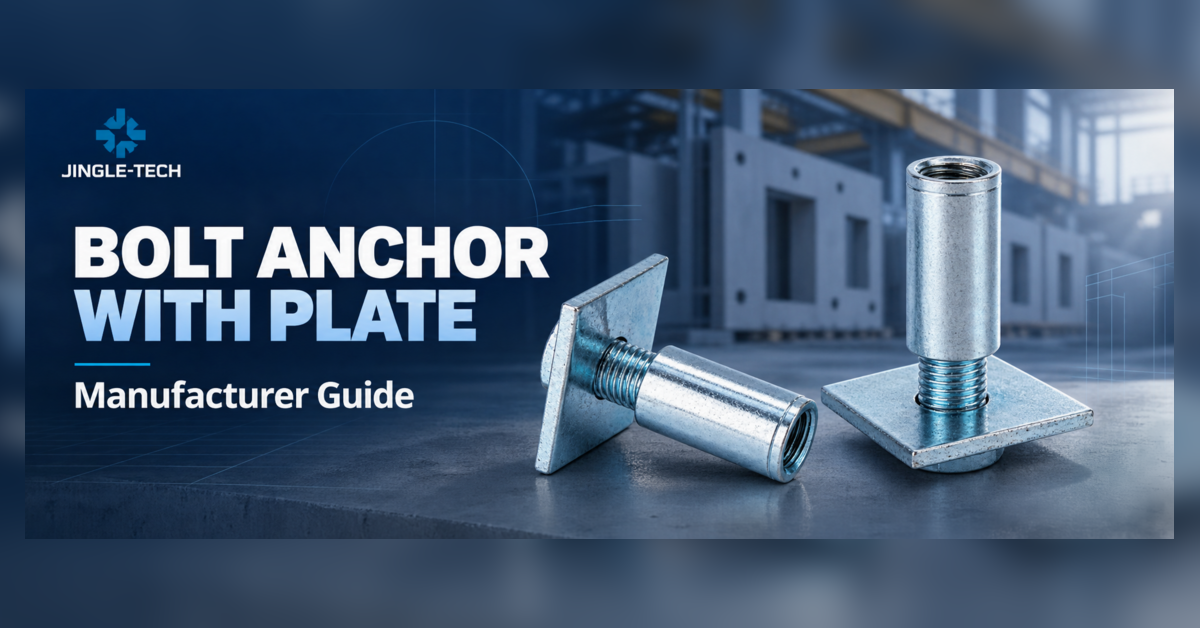
How Galvanized Bolt and Nut Sets Ensure Corrosion Resistance in Harsh Environments
1. The Role of Galvanized Bolt and Nut Sets in Structural Safety
In outdoor and industrial construction, exposure to moisture, chemicals, and temperature fluctuations can quickly degrade ordinary fasteners. Galvanized bolt and nut sets serve as the first line of defense against corrosion, ensuring that critical joints maintain their mechanical integrity over years of operation.
Each set typically combines a high-tensile bolt, a matched nut, and a washer—all treated with zinc-based coatings through either hot-dip galvanizing or electro-galvanizing. These coatings act as sacrificial barriers, protecting the underlying steel from oxidation and rust even in coastal or chemical plant conditions.
2. How Zinc Coating Protects Against Corrosion
The performance of a galvanized fastener depends largely on how zinc interacts with the environment.
Zinc offers two forms of protection:
-
Barrier protection – it isolates steel from oxygen and moisture.
-
Cathodic protection – zinc oxidizes first, shielding steel by acting as a sacrificial anode.
In industrial applications, hot-dip galvanizing (HDG) is favored because it produces a thick, durable zinc-iron alloy layer (50–80 μm). This layer can withstand years of weathering, abrasion, and salt exposure, far outperforming untreated or painted fasteners.
| Coating Type | Typical Thickness | Protection Level | Application |
|---|---|---|---|
| Electro-galvanized | 8–15 μm | Moderate | Indoor assembly, machinery |
| Hot-dip galvanized | 50–80 μm | High | Outdoor structures, bridges |
| Mechanical plating | 10–25 μm | Medium | General hardware |
3. Materials and Strength Grades
Not all galvanized bolts are identical beneath the coating. The base material determines mechanical performance, while galvanizing enhances environmental durability.
Common Material Grades:
| Material | Strength (MPa) | Typical Usage |
|---|---|---|
| Carbon Steel 4.6 | 400–600 | General construction |
| Alloy Steel 8.8 / 10.9 | 800–1000 | Heavy structural joints |
| Stainless Steel 304 / 316 | 700–850 | Corrosive environments (optional coating) |
Jingle manufactures bolt and nut sets under international standards such as ISO 898-1, ASTM A307, and DIN 933, ensuring that each component meets precise mechanical and dimensional tolerances.
4. The Manufacturing Process That Ensures Reliability
Producing a galvanized bolt and nut set involves both mechanical precision and chemical control:
-
Raw Material Inspection – verify tensile strength and composition.
-
Cold / Hot Forging – form bolt heads and threads with accurate geometry.
-
Thread Rolling – improves fatigue resistance compared to cut threads.
-
Zinc Coating Application – via hot-dip or electroplating, depending on usage.
-
Curing and Passivation – seal the surface for enhanced corrosion life.
-
Testing & Packaging – torque, coating adhesion, and salt-spray testing (ASTM B117).
Every step contributes to the final product’s consistent torque performance and anti-rust stability.
5. Key Advantages of Galvanized Bolt and Nut Sets
| Advantage | Description | Industry Value |
|---|---|---|
| Long-term corrosion resistance | Zinc coating prevents oxidation | Extends service life |
| Uniform torque and preload | Stable friction coefficient | Reduces maintenance |
| High structural integrity | Meets ISO / ASTM standards | Reliable under vibration |
| Cost-effective | Lower lifecycle cost than stainless steel | Optimal for large projects |
| Eco-friendly process | Complies with RoHS & REACH | Suitable for export markets |
In regions with high humidity or pollution, these advantages directly translate into lower maintenance and greater structural safety.
6. Applications Across Industries
| Industry | Common Use | Core Requirement |
|---|---|---|
| Construction | Bridges, steel columns, guardrails | Long-term rust protection |
| Energy | Solar mounting systems, wind turbines | Weather resistance |
| Transportation | Highway barriers, railway tracks | Vibration durability |
| Utilities | Water treatment plants, substations | Chemical resistance |
| Marine | Docks, cranes, platforms | Salt corrosion protection |
Galvanized bolt and nut sets perform consistently across environments where moisture and time challenge every metal surface.
7. Quality Assurance and Testing Standards
Reliable fasteners undergo rigorous verification before reaching the market:
-
Salt Spray Test – over 500–1000 hours without red rust.
-
Torque & Tension Test – ensures consistent tightening performance.
-
Coating Thickness Measurement – meets ISO 1461 standards.
-
Pull-Out and Shear Tests – confirm load capacity for structural use.
Jingle employs full traceability systems and third-party inspection reports (SGS, TÜV) to validate every production batch before export.
8. Choosing the Right Set for Your Application
Selecting the right bolt and nut set depends on multiple parameters:
-
Environment: indoor (electro-galvanized) or outdoor (HDG).
-
Load requirement: light-duty vs heavy structural anchoring.
-
Coating thickness: thicker for marine or chemical exposure.
-
Thread type and tolerance: fine thread for precision, coarse for field use.
Consulting your supplier about project environment and standards ensures optimal balance between cost and performance.
9. Built for Durability, Designed for Confidence
Galvanized bolt and nut sets embody the balance between strength and endurance.
Through controlled design, material selection, and zinc coating, they provide decades of service in harsh conditions without frequent replacement.
For engineers and buyers, choosing certified fasteners means choosing safety that lasts as long as the structure itself.
Discover more fastening solutions on the Jingle Home Page
or consult our team via the Contact Page for specifications and project recommendations.