What buyers really need from a hex nut manufacturer
A Hex Nut Manufacturer is not just a source for a small piece of hardware. For engineers, sourcing managers, and maintenance teams, the real job is making sure a simple nut will hold up under load, stay compatible with the bolt or threaded rod, and arrive with a finish that fits the assembly environment. That sounds basic until a build is delayed by thread mismatch, a plated surface chips in handling, or a maintenance crew discovers the nut flats are not consistent enough for reliable wrenching.
Hex nuts sit in the background of almost every mechanical assembly, but they carry more responsibility than their size suggests. They secure machine parts, structural connections, furniture hardware, equipment repairs, and countless general-purpose fastenings. Choosing the right supplier is therefore less about finding the cheapest line item and more about avoiding hidden assembly risk.
Why the specification matters more than the shape
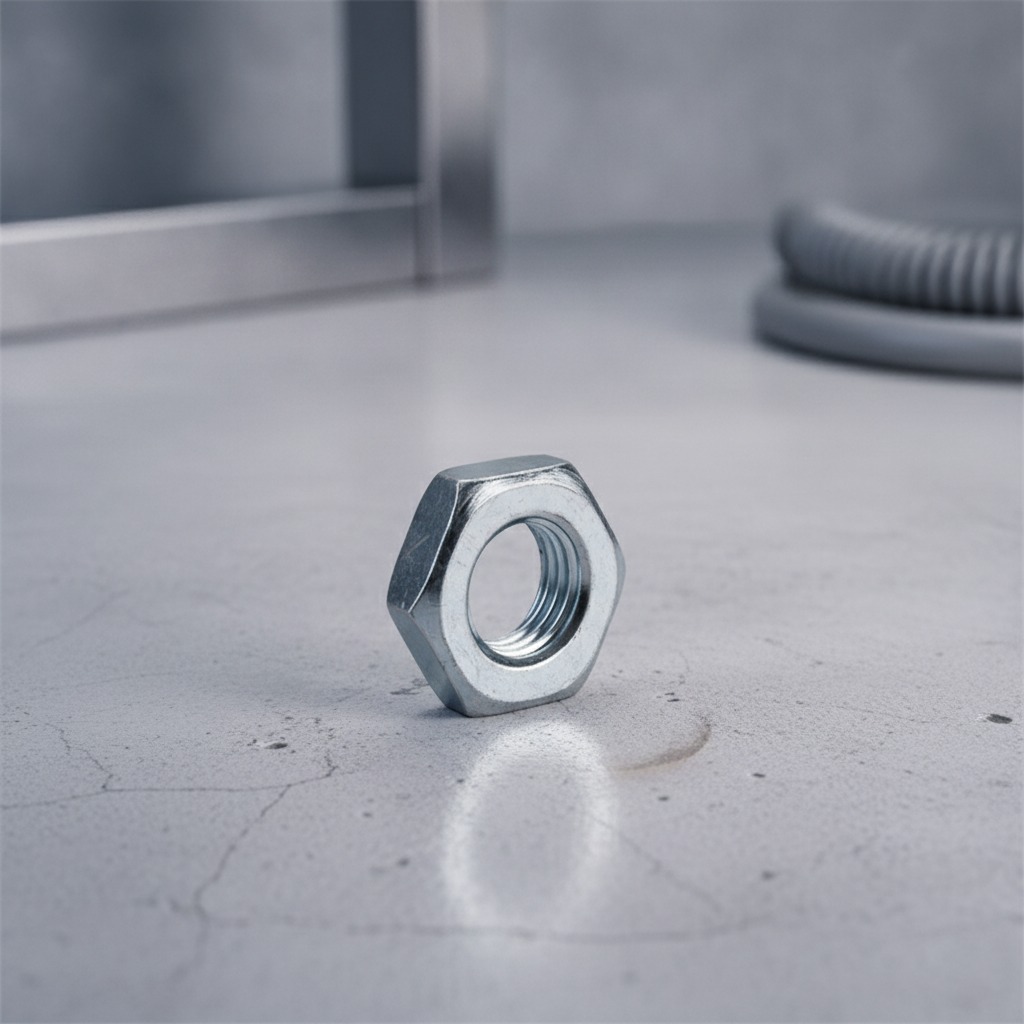
At first glance, all hex nuts look similar: six-sided exterior, internal threads, flat bearing face, and chamfered edges for easier engagement. The difference is in the details that are not always visible in a product photo. Thread accuracy, material choice, plating behavior, and consistency across production lots all affect how well the nut performs once it reaches the line.
In a controlled assembly, a mismatch between the nut and mating fastener can show up as cross-threading, inconsistent torque, or loosening during service. In a less forgiving environment, such as machinery maintenance or outdoor hardware, finish quality and corrosion resistance also start to matter. Buyers who treat fasteners as commodities often learn the hard way that “looks right” is not the same as “fits right.”
Material choices: stainless steel or carbon steel?
One of the first choices a buyer makes is material. A Stainless Steel Hex Nut is often selected when corrosion resistance is important, especially in humid, wet, or exposed environments. It is commonly considered for equipment near water, food-related equipment, or assemblies that may see frequent cleaning. Stainless does not eliminate all maintenance concerns, but it can reduce the risk of surface corrosion that complicates disassembly later.
A Carbon Steel Hex Nut is often chosen when strength, cost control, and broad availability are more important than corrosion resistance alone. With the right surface finish, carbon steel can serve well in general industrial assemblies, fabrication work, and mechanical fastening where the environment is not especially aggressive. If the finish is bright zinc-plated or galvanized-looking, it may offer practical short-term protection, though the exact coating and performance should always be confirmed with the supplier rather than assumed from appearance.
Quick buyer takeaway
If the assembly lives indoors and cost matters, carbon steel may be the practical path. If the fastener will face moisture, washdown, or repeated handling, stainless steel is often worth the added cost. The right answer depends less on habit and more on the service environment.
What a Hex Nut Supplier should be able to tell you
A capable Hex Nut Supplier should provide more than a part number and a picture. At minimum, buyers should expect clear information on thread size and pitch, material type, surface finish, packing method, and the production standard being used. If that information is missing or vague, the risk tends to move downstream into receiving inspection and the production floor.
For high-volume procurement, consistency matters as much as the nut itself. One batch that slips on thread fit or has inconsistent plating can trigger an avoidable line stop. For repair and maintenance buyers, the bigger concern may be interchangeability: the nut has to match older hardware, not just a drawing.
How a Hex Nut Factory China setup is typically evaluated
When buyers compare a Hex Nut Factory China option with other sources, they usually look at three things: production capacity, process control, and communication. The best factories can explain how the nut is formed, threaded, and finished. In many cases, hex nuts are produced through cold forming or machining, then threaded and surface treated. That is a normal industrial route, but the exact process should be verified for each product family.
For sourcing teams, practical questions often reveal more than glossy catalogs do. Can the factory support consistent thread inspection? Do they separate stainless and carbon steel production clearly? Can they package to reduce surface damage in transit? These are mundane questions, but they are the ones that save time later.
Common mistakes buyers still make
The most common mistake is buying by appearance alone. A reflective silver finish may suggest corrosion resistance, but it does not tell you the alloy, coating thickness, or actual environmental performance. Another mistake is assuming all hex nuts are interchangeable because the geometry is familiar. Thread size, pitch, and fit class can quietly ruin that assumption.
A second practical error is over-specifying for a low-risk application. Not every assembly needs premium material. Sometimes buyers pay for features the application will never use. The better approach is to match the fastener to the load, the environment, and the service life expected by the end customer.
Questions to ask before placing an order
Before you commit to volume, ask for the exact thread specification, material, finish, and packaging method. If the nut will be used in repair work, confirm whether the inventory must match existing hardware in metric or imperial form. If appearance matters, ask for surface photos from the actual production lot, not a stock image.
And if the supplier cannot answer basic technical questions clearly, that is usually the answer.
FAQ
What does a hex nut do?
It mates with a bolt or threaded rod to clamp parts together and maintain a secure mechanical connection.
Is stainless always better than carbon steel?
Not always. Stainless is useful for corrosion-prone environments, while carbon steel can be a smarter choice for cost-sensitive indoor or protected applications.
What should I verify first with a supplier?
Thread specification, material, finish, and consistency. Those four items prevent most procurement problems.
Next step for buyers
If you are comparing fastener sources, focus on whether the supplier can prove consistency, not just availability. A reliable hex nut may be small, but it is rarely a small decision. Ask for the technical details up front, confirm the fit requirements, and choose the material and finish for the actual service environment rather than the catalog image.