Why buyers still start with a Hex Nut Manufacturer
A Hex Nut Manufacturer is rarely just a place that sells small metal parts. For engineers, sourcing managers, and maintenance teams, it is usually the difference between a dependable assembly and a callback waiting to happen. The hex nut looks simple, but it sits in the middle of load transfer, vibration resistance, serviceability, and corrosion exposure. If the nut is wrong, the bolt, bracket, or machine frame often gets blamed first.
That is why buyers do not only ask for “a nut.” They ask for the right thread, the right material, the right finish, and a supplier who can make the part repeatably. In many projects, the real decision is whether to buy from a direct Hex Nut Supplier, compare a Hex Nut Factory China option, or source from a local distributor who can move quickly but may not control the full production chain.
What a hex nut actually does in an assembly
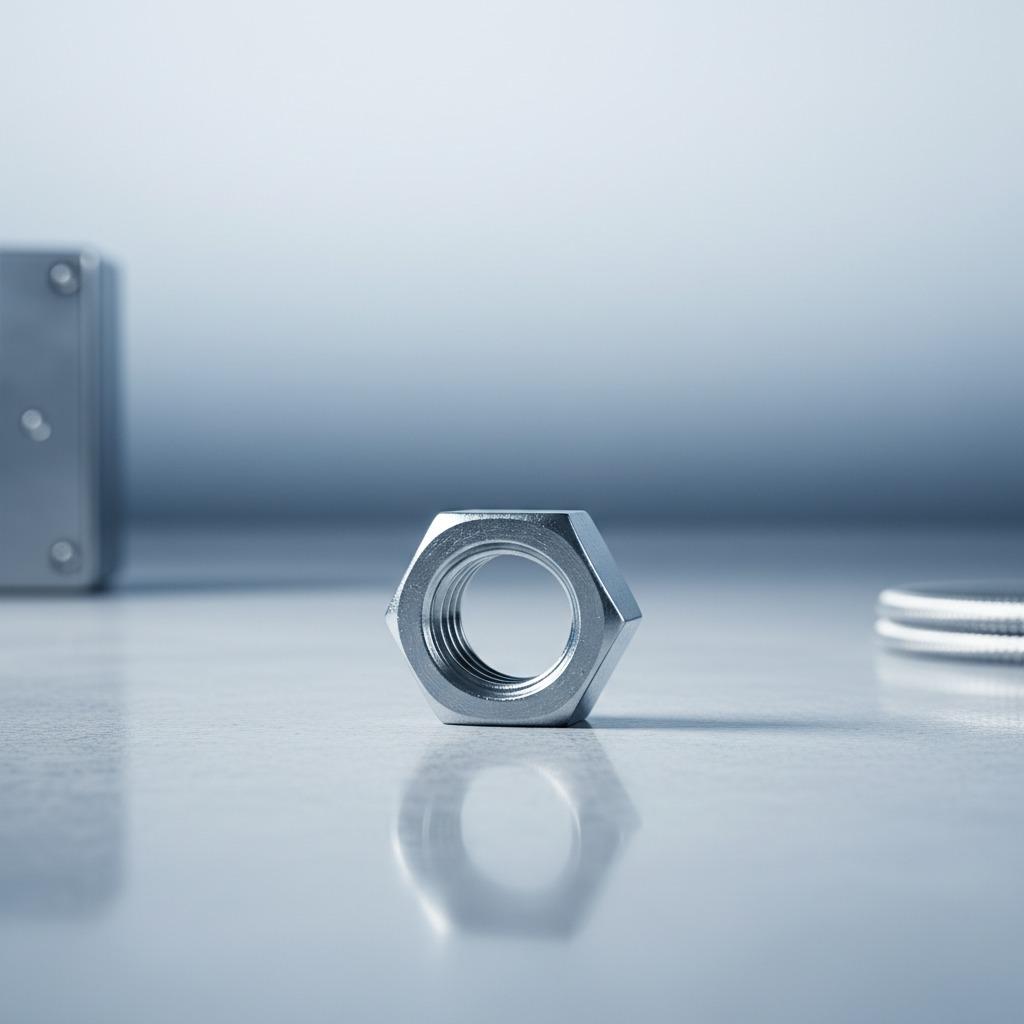
A standard hex nut is a threaded fastener with a six-sided exterior and a female threaded bore. That geometry is not an accident. The flat sides let a wrench apply torque, while the internal threads mate with a bolt or threaded rod to create clamping force.
The visible product details matter here. A standard hex nut typically has flat bearing faces, a compact profile, and a chamfered edge that helps start the thread and reduces burrs. In ordinary machinery, equipment assembly, automotive work, construction fixtures, and repair jobs, that small part is what keeps two components from loosening under vibration or repeated handling.
Stainless Steel Hex Nut or Carbon Steel Hex Nut?
For most buyers, material choice is the first real filter.
A Stainless Steel Hex Nut is usually chosen when corrosion resistance matters more than raw economy. Think outdoor fixtures, damp environments, washdown areas, or assemblies that may be opened and reused. Stainless can be the safer selection when appearance and durability both matter, though it is not always the cheapest path.
A Carbon Steel Hex Nut is common where strength, cost control, and broad availability matter most. It is widely used in industrial equipment and general fabrication, often with a surface finish such as plating to improve appearance or corrosion behavior. The bright silver-gray finish visible on many hex nuts often suggests some kind of coating, but you should not assume a specific coating without a datasheet.
The practical point: do not choose by price alone. A low-cost nut that corrodes, seizes, or strips threads can cost more after assembly than a better-spec part.
What buyers should ask a Hex Nut Factory China before placing an order
If you are comparing factories, ask about the basics that affect fit and performance:
Thread and standard
Confirm metric or imperial sizing, thread pitch, and whether the nut is intended for coarse or fine thread applications. The wrong thread family can stop a production line cold.
Material and finish
Request the exact material grade and surface treatment, not just “steel” or “stainless.” The image of a bright metal nut may suggest plating, but appearance alone is not enough.
Manufacturing method
Many hex nuts are cold-formed and then tapped. That is normal, but buyers should still ask whether the supplier controls forming, threading, and finishing in-house or spreads the work across multiple vendors.
Dimensional and quality control
You do not need exotic claims. You do need consistent thread engagement, clean edges, and repeatable wrenching surfaces.
Common mistakes when sourcing hex nuts
The most common mistake is treating all nuts as interchangeable. They are not. A fastener that fits on one sample bolt may still fail under vibration, repeated assembly, or a different coating thickness.
Another mistake is specifying only the outside size and forgetting the internal thread. Buyers also overlook the environment. A part that works in a dry workshop may behave very differently outdoors or in equipment exposed to moisture and chemicals. And yes, a polished finish can look convincing on a sample table while telling you almost nothing about long-term corrosion performance.
Practical buying advice for engineers and sourcing teams
If you are comparing a Hex Nut Manufacturer, ask for clear product naming, drawings or samples, and thread verification before you scale up. For recurring programs, confirm whether the supplier can keep the same finish and threading consistency across multiple batches. If you need serviceability, make sure the nut can be tightened and removed without galling or premature wear.
For maintenance teams, keeping both Stainless Steel Hex Nut and Carbon Steel Hex Nut options in view can help. Stainless may solve an environment problem; carbon steel may solve a budget or availability problem. The right answer depends on where the assembly lives, how often it is serviced, and whether the fastener is hidden or exposed.
FAQ: short answers buyers usually need
Is a hex nut only for bolts?
No. It is also used with threaded rod and other threaded components.
Can you judge nut quality from appearance alone?
Not reliably. The finish may look good while the thread quality or material grade is wrong.
Why use a direct Hex Nut Supplier instead of a general distributor?
Direct sourcing often gives better control over specifications, though it requires more technical checking from the buyer side.
Next step
If you are sourcing for production or maintenance, start with the application, then lock down thread, material, finish, and standard before discussing price. That sequence saves more time than chasing a cheaper quote that does not quite fit.