Built to Hold: How Lag Bolts Deliver Strength in Wood and Masonry Projects
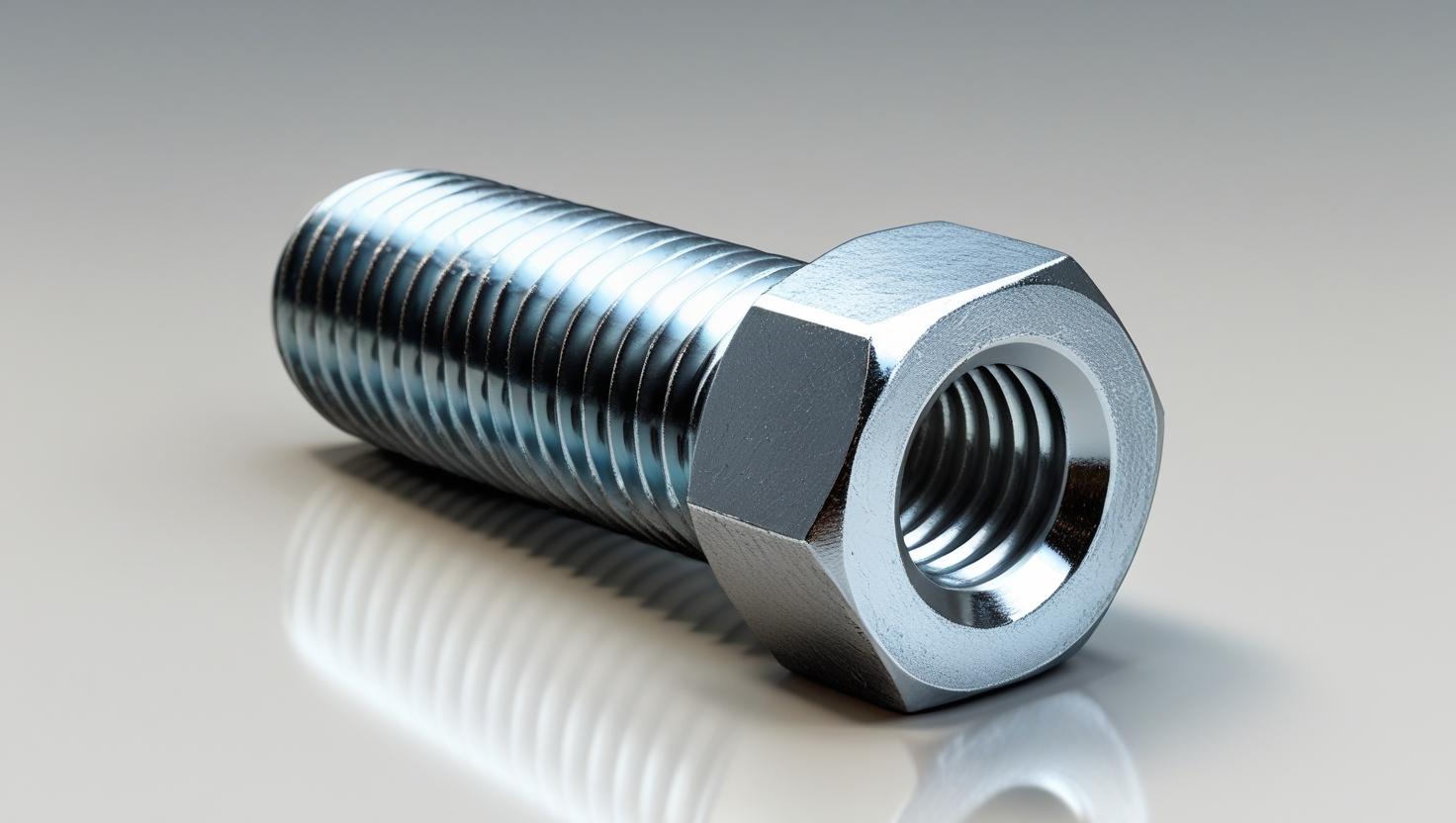
In projects where structural integrity matters—be it building a deck, anchoring heavy beams, or installing outdoor equipment—lag bolts are often the first and most reliable fastening choice. Known for their large diameter, hex heads, and aggressive threading, they provide unmatched grip in wood and concrete.
But not all lag bolts perform equally well in the field. Understanding the real differences—threading, coatings, material grades, and sourcing—is key to preventing failures and delays.
Why Lag Bolts Excel in High-Load Applications
Lag bolts aren’t general-purpose screws. They are engineered for:
-
Load-bearing joints in timber framing or wood-to-concrete anchoring
-
High-vibration zones, such as structural supports or outdoor frames
-
Large equipment installation, like gym racks, wall-mounted machinery, or pergola beams
-
Long-term stability, especially in decks, fences, gates, or garage structures
Their coarse threads grip deeper into softwood or wall plugs, and their hex head allows for high-torque installation using a wrench or impact driver.
Real Challenges in the Field—and How Lag Bolts Solve Them
Problem: Fasteners work loose over time
In outdoor decks or roofing structures, thermal expansion and vibration can cause ordinary screws to back out.
✅ Solution: Lag bolts have greater thread depth and surface area, anchoring securely even in pressure-treated lumber and preventing joint movement.
Problem: Corrosion causes early failure
Exposure to rain, salt air, or treated wood chemicals often leads to rust and weakened holds.
✅ Solution: Choose hot-dip galvanized, ceramic-coated, or stainless steel lag bolts with verified salt spray resistance. These extend service life and meet outdoor construction standards.
Problem: Inconsistent sizing or hard-to-identify bolts on job sites
When bolts are poorly sorted or unlabeled, installation slows, errors increase, and project timelines suffer.
✅ Solution: Request kit-packed lag bolts labeled by size, thread type, and finish. Jingle supplies customized cartons and barcode labeling that make site logistics smoother and reduce confusion for installers.
Choosing the Right Lag Bolt for the Job
| Application | Recommended Finish | Head Type | Thread Spec |
|---|---|---|---|
| Outdoor wood structures | Hot-dip galvanized | Hex | Full thread |
| Concrete anchoring with shields | Zinc-plated | Hex flange | Coarse |
| Indoor timber beams | Black oxide | Hex | Partial thread |
| Coastal or marine zones | SS304 / SS316 | Hex | Full thread |
Lag bolts typically range from ¼” to ½” diameter, and lengths from 1.5” to 10”, with or without partial threading depending on shear strength requirements.
Tailored Supply Makes the Difference
For anyone managing materials at scale—whether on a job site, in a warehouse, or for resale—bulk supply of lag bolts must go beyond price.
A dependable supplier should offer:
-
Size-mixed kits based on installation stages
-
Neutral packaging with logo-free design for resale
-
Export documentation: CI, PL, CO, HS codes
-
Material verification certificates for compliance-sensitive projects
-
Short lead times with flexible order quantities
Jingle provides all of the above, with packaging designed for installers, builders, or distribution channels that demand speed and clarity.
When Strength Matters, So Does Your Screw Choice
Lag bolts don’t just hold wood—they hold projects together. When you choose the right type with the right fi
Whether you're anchoring a timber frame, building a retaining wall, or selling kits through retail channels, working with a supplier that understands real-world conditions is key.
View our full fastener range
Contact our team for OEM quotes, export kits, or field-tested specs