OEM Hardware Parts: Transforming Industrial Efficiency
The Efficiency Gap in Modern Manufacturing
Industrial production is built on precision, yet even the smallest component can determine overall efficiency. When hardware parts fail to meet performance standards—through poor tolerance, inconsistent materials, or incompatible designs—entire systems slow down. Manufacturers have increasingly turned to OEM hardware parts to close this gap, demanding custom-built components engineered for reliability, speed, and scalability.
The growing shift toward automation, robotics, and lean production has intensified the need for hardware that integrates perfectly into unique manufacturing ecosystems.
The Principle of OEM Integration
OEM hardware production is built on the concept of co-engineered efficiency—parts are designed not as isolated pieces, but as functional extensions of the machinery they serve.
-
Design Precision: Components are modeled from CAD blueprints to fit seamlessly with the customer’s assembly.
-
Material Control: Alloys, stainless steel, and treated aluminum are selected to balance strength, weight, and wear resistance.
-
Surface Engineering: Coatings such as galvanization, nickel plating, or powder finishes extend operational life.
-
Performance Calibration: Torque, tension, and load capacities are fine-tuned to meet mechanical standards for each industry.
The result is not just a better part, but an optimized interaction between component and system.
Comparing OEM vs. Standard Hardware Parts
| Aspect | Standard Hardware | OEM Hardware |
|---|---|---|
| Fit & Compatibility | Generic dimensions, possible misalignment | Tailored to exact design tolerances |
| Material Options | Limited standard grades | Customized alloys and coatings |
| Lifecycle | Moderate, depends on usage | Extended through surface and heat treatments |
| Procurement Flexibility | Off-the-shelf, limited modification | Scalable production with batch traceability |
| Cost Efficiency | Lower initial cost | Reduced downtime, lower total cost of ownership |
OEM hardware parts reduce inefficiencies hidden in standard supply chains, offering not just product customization but predictable mechanical performance over years of use.
Real-World Applications Across Industries
-
Automotive Manufacturing – precision bolts and hinge assemblies designed for vibration resistance and torque retention.
-
Industrial Machinery – customized washers, pins, and spacers maintaining alignment under heavy mechanical loads.
-
Renewable Energy Systems – corrosion-resistant fasteners sustaining long-term outdoor exposure.
-
Electronics & Automation – small-scale precision components that ensure stability in robotic arms and control panels.
-
Construction Equipment – galvanized connectors and locking systems built for extreme weather durability.
By tailoring hardware for specific machinery, OEM integration minimizes downtime, assembly rework, and maintenance interruptions—critical metrics in modern industrial performance.
Practical Recommendations for Procurement Teams
-
Define function-specific requirements early to align OEM part design with system engineering.
-
Request material certification (EN, ASTM, ISO) to ensure global compliance.
-
Prioritize lifecycle over initial price, as OEM components typically lower maintenance costs.
-
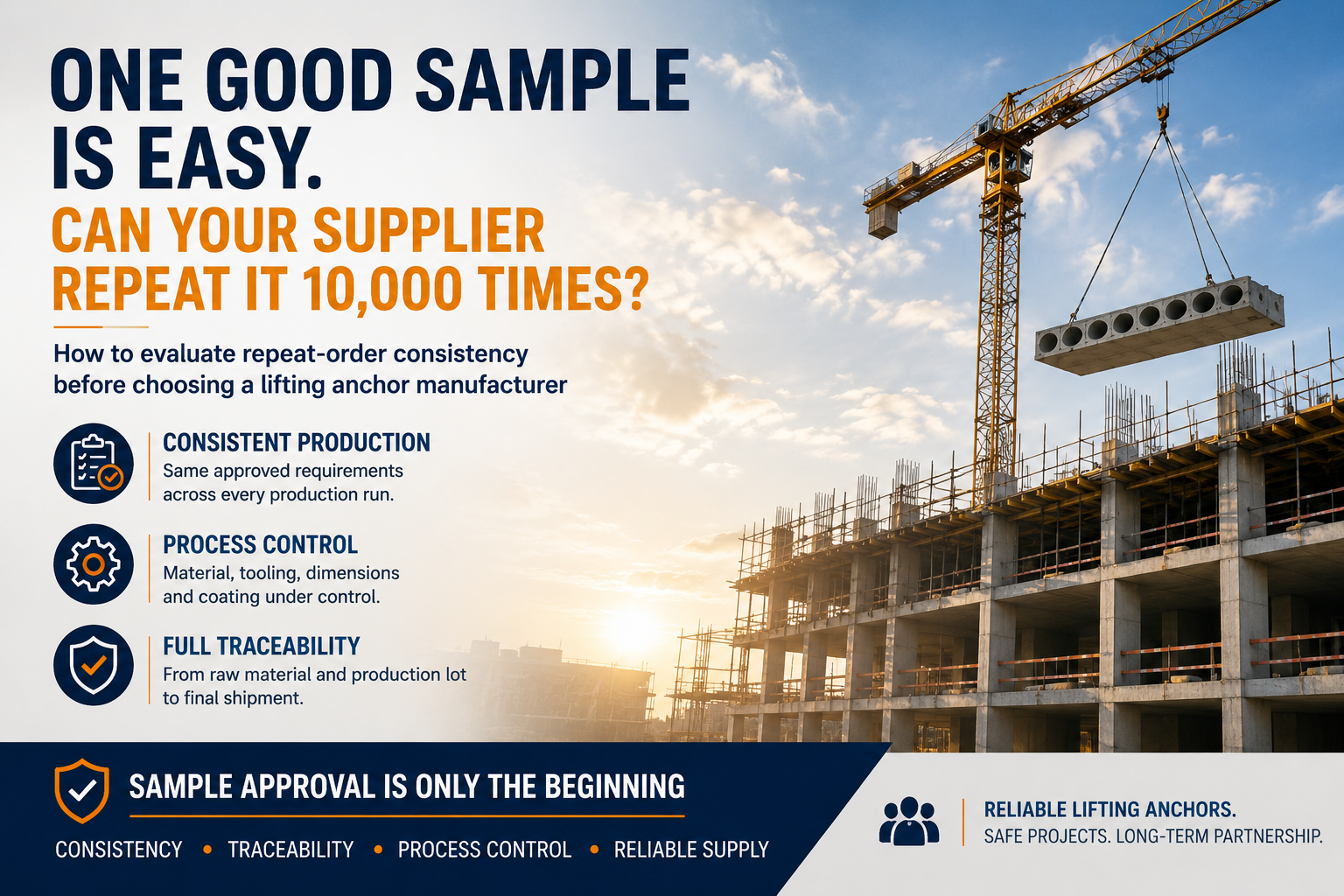
Establish quality feedback loops with manufacturers to maintain consistency across production batches.
When implemented systematically, OEM partnerships become a long-term strategy for sustainable manufacturing efficiency.
Jingle’s Advantage in OEM Hardware Manufacturing
At Jingle, industrial efficiency begins with engineering precision. Our OEM hardware parts are developed through 3D modeling, CNC machining, and automated surface treatment to achieve repeatable, high-tolerance quality.
-
ISO-certified production ensuring dimensional accuracy and strength validation.
-
Material solutions spanning carbon steel, stainless steel, and high-tensile alloys.
-
Global delivery network supporting mass production and just-in-time supply.
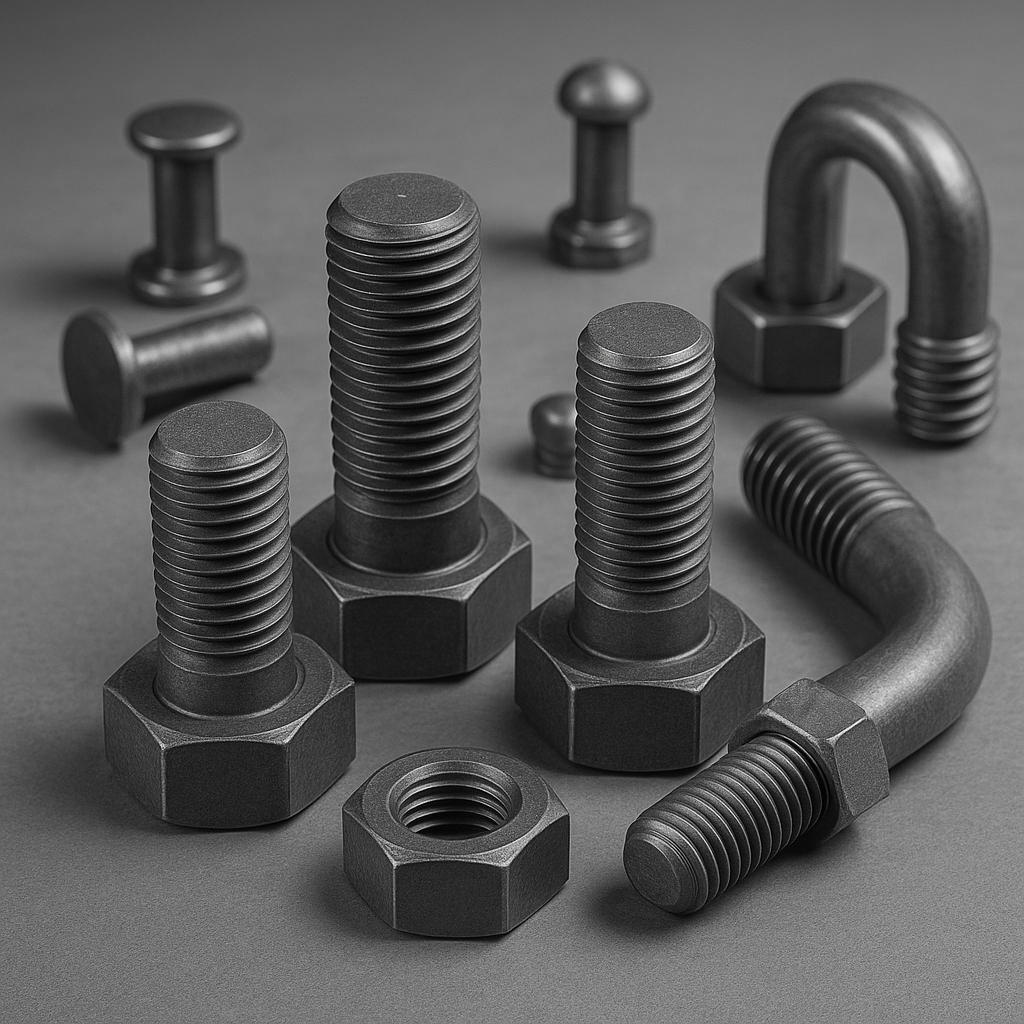
From fasteners and mechanical connectors to complex hardware assemblies, Jingle’s customized approach enables manufacturers to achieve higher throughput, fewer breakdowns, and stronger reliability in every operation.
Learn more about our OEM hardware manufacturing solutions on the homepage or connect directly via the contact page.