Stainless Steel CNC Turning Parts: How Stability and Wear Resistance Are Achieved in Real Use
Stainless steel CNC turning parts are often selected for strength, corrosion resistance, and durability, yet many users only discover problems after installation. Threads gall during assembly, shafts wear faster than expected, or parts lose dimensional stability after prolonged operation. These failures are rarely caused by design alone. In most cases, they originate from how stainless steel is machined, finished, and controlled for its actual operating environment.
Reliable stainless steel CNC turning parts are produced by aligning material behavior, turning strategy, and surface control with real service conditions—not by inspection alone.
Material Discipline: Matching Stainless Steel Grade to Load and Environment
Stainless steel behaves very differently across grades. Austenitic, martensitic, and duplex stainless steels vary significantly in hardness, work-hardening behavior, and corrosion resistance. Selecting a grade based only on corrosion requirements often introduces machining and wear problems later.
For stainless steel CNC turning parts, material selection is aligned with:
-
operating load and contact stress
-
exposure to moisture, chemicals, or salt
-
thread engagement and repeated assembly cycles
-
expected service life and maintenance interval
By fixing grade selection and controlling raw material batch consistency, dimensional variation and surface inconsistency are reduced before machining begins.
Turning Strategy: Controlling Work Hardening and Dimensional Drift
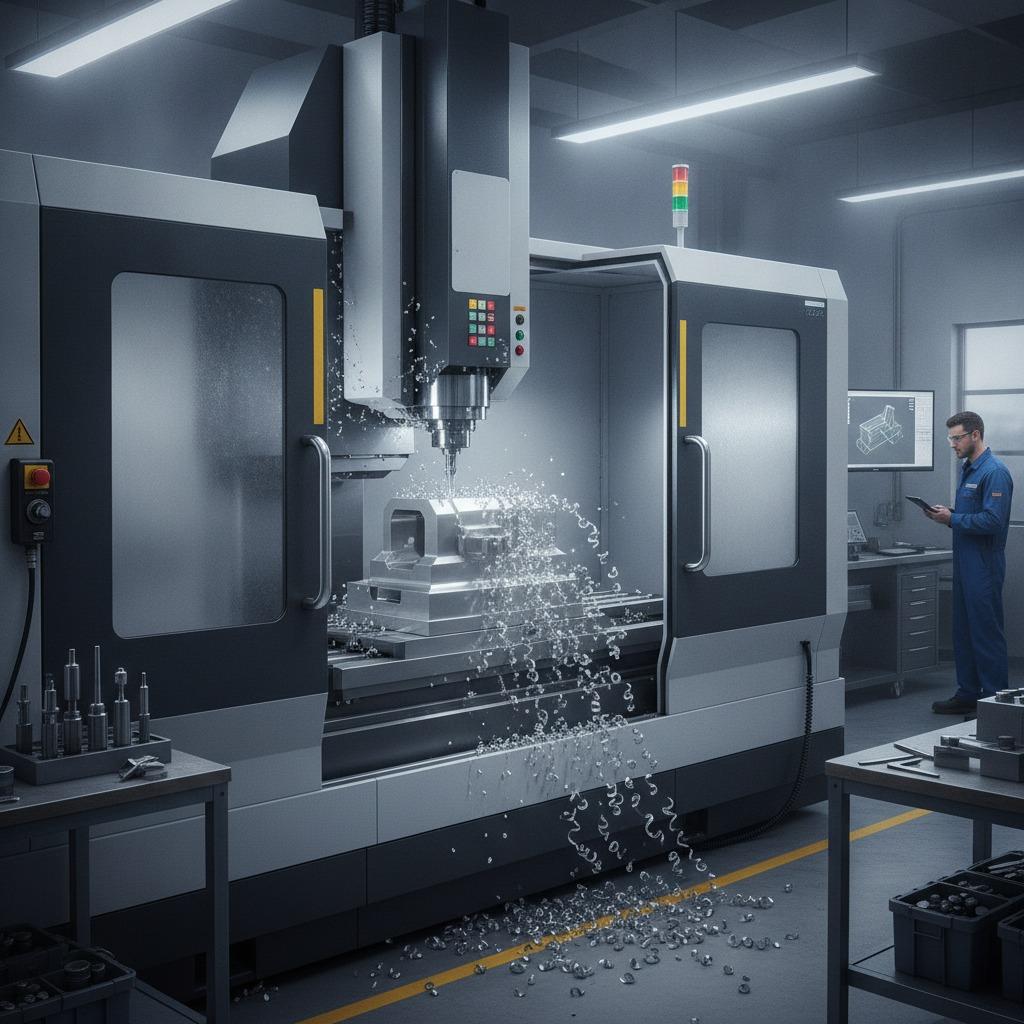
Unlike aluminum, stainless steel work-hardens rapidly during cutting. If feeds, speeds, and tool paths are not controlled, surface layers become harder than the base material, accelerating tool wear and degrading surface integrity.
To stabilize stainless steel CNC turning parts, turning processes are designed to:
-
maintain consistent chip load to avoid surface hardening
-
minimize dwell time during finishing passes
-
separate roughing and finishing to control heat buildup
This prevents parts from passing inspection initially but failing prematurely in service due to surface fatigue or uneven hardness.
Application Scenario 1: Rotating Shafts and Bearing Interfaces
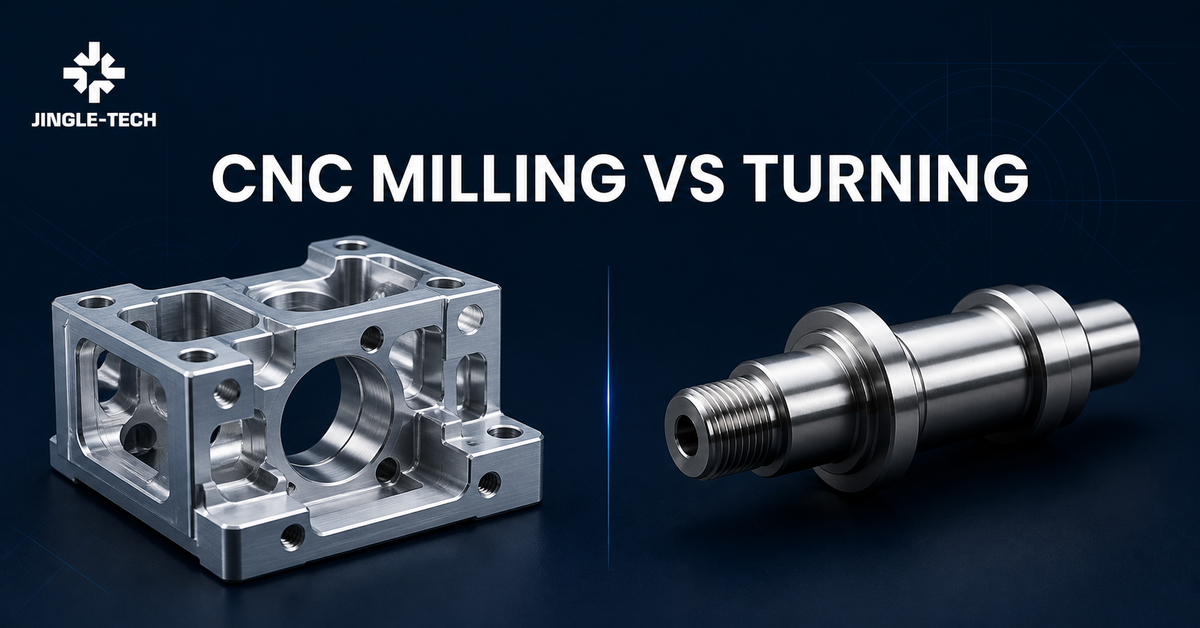
Stainless steel CNC turning parts are frequently used for shafts, pins, and bearing seats in pumps, actuators, and mechanical assemblies.
Challenges in this environment
-
accelerated wear at bearing contact points
-
micro-scoring caused by surface inconsistency
-
dimensional growth due to thermal buildup
Our approach
-
surface roughness is controlled based on bearing type rather than cosmetic appearance
-
turning parameters are adjusted to ensure uniform surface hardness
-
functional diameters receive tighter control than non-contact areas
This ensures stainless steel CNC turning parts maintain stable rotation and predictable wear behavior.
Application Scenario 2: Threaded Components and Fastening Interfaces
Threads in stainless steel parts are prone to galling, especially under high preload or repeated assembly.
Challenges in this environment
-
thread seizure during installation
-
inconsistent preload despite correct torque
-
surface damage after multiple cycles
Our approach
-
thread profiles are optimized during turning to reduce contact friction
-
surface condition is managed to prevent excessive work hardening
-
tolerances are aligned with assembly method rather than nominal standards
This improves assembly reliability and extends service life for stainless steel CNC turning parts.
Application Scenario 3: Corrosive and Hygienic Environments
Stainless steel CNC turning parts are widely used in food processing, chemical handling, and outdoor equipment where corrosion resistance is critical.
Challenges in this environment
-
localized corrosion at machined surfaces
-
reduced corrosion resistance after aggressive cutting
-
surface degradation under cleaning cycles
Our approach
-
cutting strategies minimize surface tearing
-
surface finishing preserves passive layer integrity
-
critical areas are finished after thermal stabilization
This allows stainless steel CNC turning parts to retain corrosion resistance throughout their service life.
Measurable Production Impact From Controlled Turning Processes
The table below summarizes typical industry-observed improvements when stainless steel CNC turning parts are produced with controlled material selection, turning strategy, and surface management. Percentages reflect realistic ranges observed in stable production environments.
| Control area applied | Production outcome | Typical improvement |
|---|---|---|
| Fixed stainless steel grade & batch control | Reduced dimensional variation | 15–25% reduction |
| Optimized turning parameters | Lower surface work hardening | 20–35% reduction |
| Functional surface roughness control | Improved wear resistance | 20–30% increase |
| Thread-specific process tuning | Reduced galling incidents | ~40% reduction |
| Process-locked repeat production | Batch conformity rate | >95% |
These improvements directly affect service life, assembly reliability, and maintenance cost.
How This Supports Long-Term Supply Stability
By designing turning processes around load, wear, and corrosion exposure, stainless steel CNC turning parts remain consistent across repeat orders. Inspection focuses on trend stability, not isolated measurements, and performance remains predictable in real use.
For procurement teams, this means:
-
fewer assembly issues
-
stable long-term quality
-
predictable lead times and pricing
Common Buyer Questions
Q: Why do stainless steel turning parts seize during assembly?
A: Because surface work hardening and friction are not controlled during the turning process.
Q: Can polishing alone improve wear resistance?
A: No, surface integrity depends on turning parameters and subsurface hardness, not polishing alone.
Q: How can repeat stainless steel CNC orders remain consistent?
A: By locking material grade, turning strategy, and surface control across production runs.
Conclusion and Next Steps
Stable stainless steel CNC turning parts are produced by aligning material selection, turning strategy, and surface management with real operating conditions. When this alignment is built into the manufacturing process, stainless steel components deliver reliable performance, extended service life, and consistent quality across applications.
To review stainless steel machining capabilities and precision component supply scope, visit:
👉 https://jinglefix.com/
If you are evaluating stainless steel CNC turning parts for high-load or corrosive environments and want to reduce wear, galling, or variability before production, early technical coordination can significantly lower long-term risk:
👉 https://jinglefix.com/en/contact-us