Bolt Factory Kits: A Smarter Way to Source Fasteners in Bulk
Why Bulk Fastener Buying Needs an Upgrade
In large-scale construction, machinery production, or distribution operations, buying fasteners in bulk is a given. But bulk doesn’t mean simple—many buyers face real problems:
-
Delays caused by sorting or repackaging at job sites
-
Inconsistent quality from different suppliers
-
Missing components during assembly
-
Lack of proper labeling or documentation for export
This is where the bolt factory kit offers a game-changing solution.
What Is a Bolt Factory Kit?
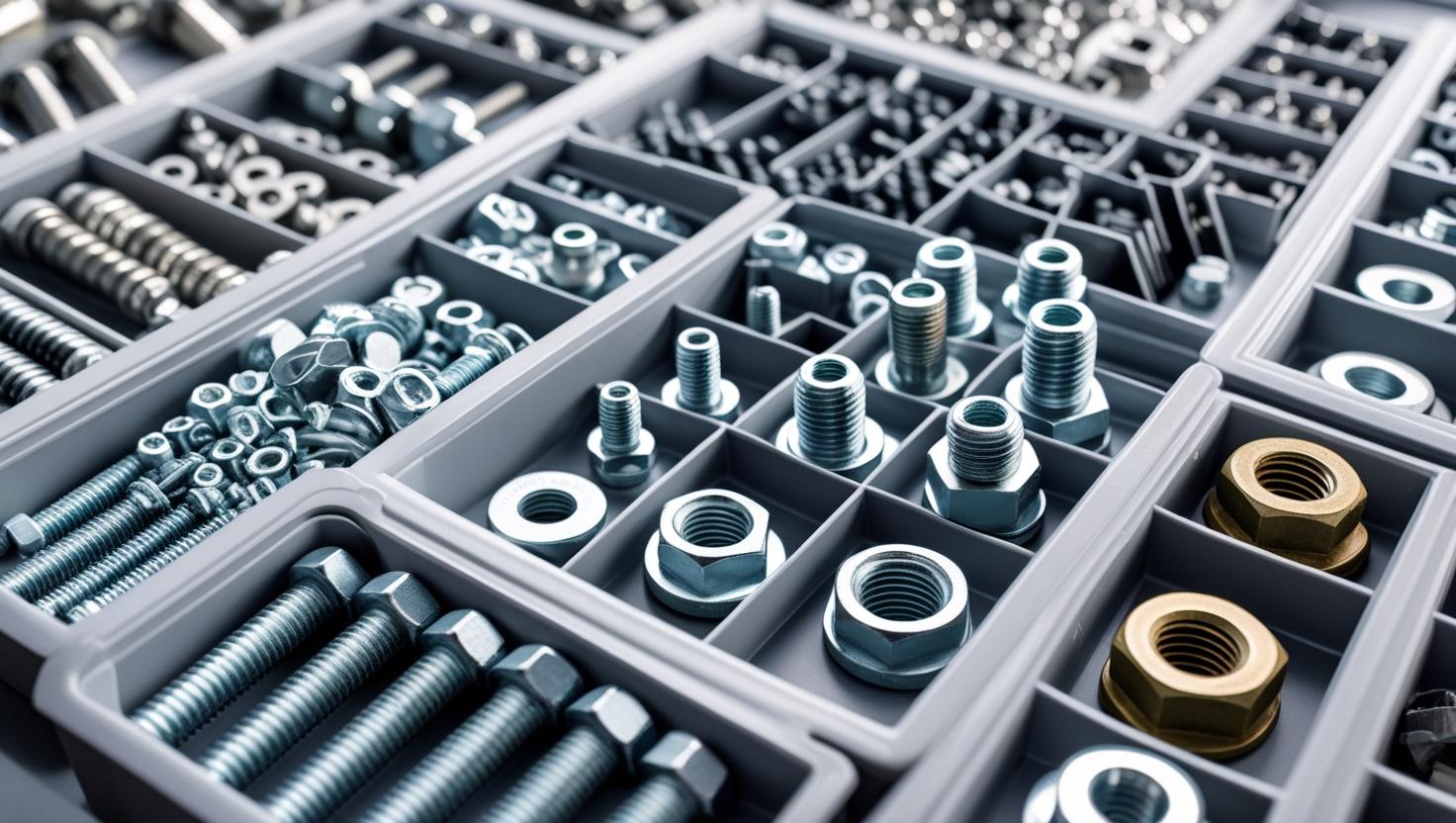
A bolt factory kit is a ready-to-ship, pre-organized set of fasteners—assembled at the manufacturing facility to match your project’s technical needs. Unlike loose bulk orders, factory kits are:
-
Pre-sorted by size, grade, and component type
-
Packaged with matching nuts, washers, or anchors
-
Labeled clearly for job site or warehouse distribution
-
Customized for OEM needs or brand packaging
-
Shipped with all required export documentation (CO, packing list, invoice)
At Jingle, each kit is tailored to your use case, tested for strength, and packed under ISO-aligned quality control processes.
Why Hex Bolts Are Common in Factory Kits
Among all fastener types, hex bolts remain the most widely used in industrial applications—from steel structures to mechanical frames. Their six-sided head allows easy torque application, and they’re available in a variety of coatings and grades.
In our bolt factory kits, hex bolts are most commonly paired with:
-
Galvanized or stainless steel finish
-
Grade 8.8, 10.9, or A2/A4 material
-
Nylon or flange nuts
-
Flat/spring washers
For example, one customer in the heavy machinery industry receives 5,000 kits annually from Jingle, each with hex bolts sorted by installation step—reducing warehouse handling time by 30%.
Applications for Bolt Factory Kits
1. Construction & Engineering Projects
Job sites need efficiency. With labeled kits for structural steel bolts, workers avoid the guesswork and delays of manual sorting. One EPC contractor noted 25% faster installation time after adopting factory kits from Jingle.
2. Maintenance Kits for Equipment Manufacturers
Agricultural and mining equipment suppliers now include Jingle bolt kits as part of their spare part shipments—each packed per machine model, ensuring end users get exactly what they need.
3. Industrial Wholesalers & Hardware Distributors
Distributors exporting to Southeast Asia and Latin America benefit from Jingle’s OEM kits, complete with private-label packaging, barcodes, and multi-language instructions.
Advantages of Choosing a Factory Kit Over Loose Bulk Orders
| Loose Bulk Orders | Factory Bolt Kits |
|---|---|
| Mixed component risk | Fully matched sets |
| Repacking needed | Ready-to-ship kits |
| No labels or branding | Custom OEM packaging |
| Quality varies per batch | QC-verified uniformity |
| Extra admin for export | CO, invoice, HS code pre-prepared |
Jingle also provides RoHS compliance, material test certificates, and optional custom plastic bags or printed cartons.
Why Choose Jingle for Bolt Factory Kits
-
25+ years of manufacturing experience
-
Full-range fastener categories
-
In-house packaging and OEM service
-
Custom documentation for export
-
Global shipping support
All kits are assembled in our dedicated facility with traceability, strict inspection, and packaging options based on your region or market.
Start with the Right Kit
If you're tired of repacking fasteners or dealing with inconsistent bolt supply, it’s time to upgrade your sourcing process. A well-designed bolt factory kit doesn’t just save time—it protects your bottom line and brand credibility.
Contact Jingle today to explore our full range of bolt kits and request a custom quote. You can also learn more about our capabilities on our homepage.