Carriage Bolts That Last: When Smooth Heads and Solid Grip Matter Most
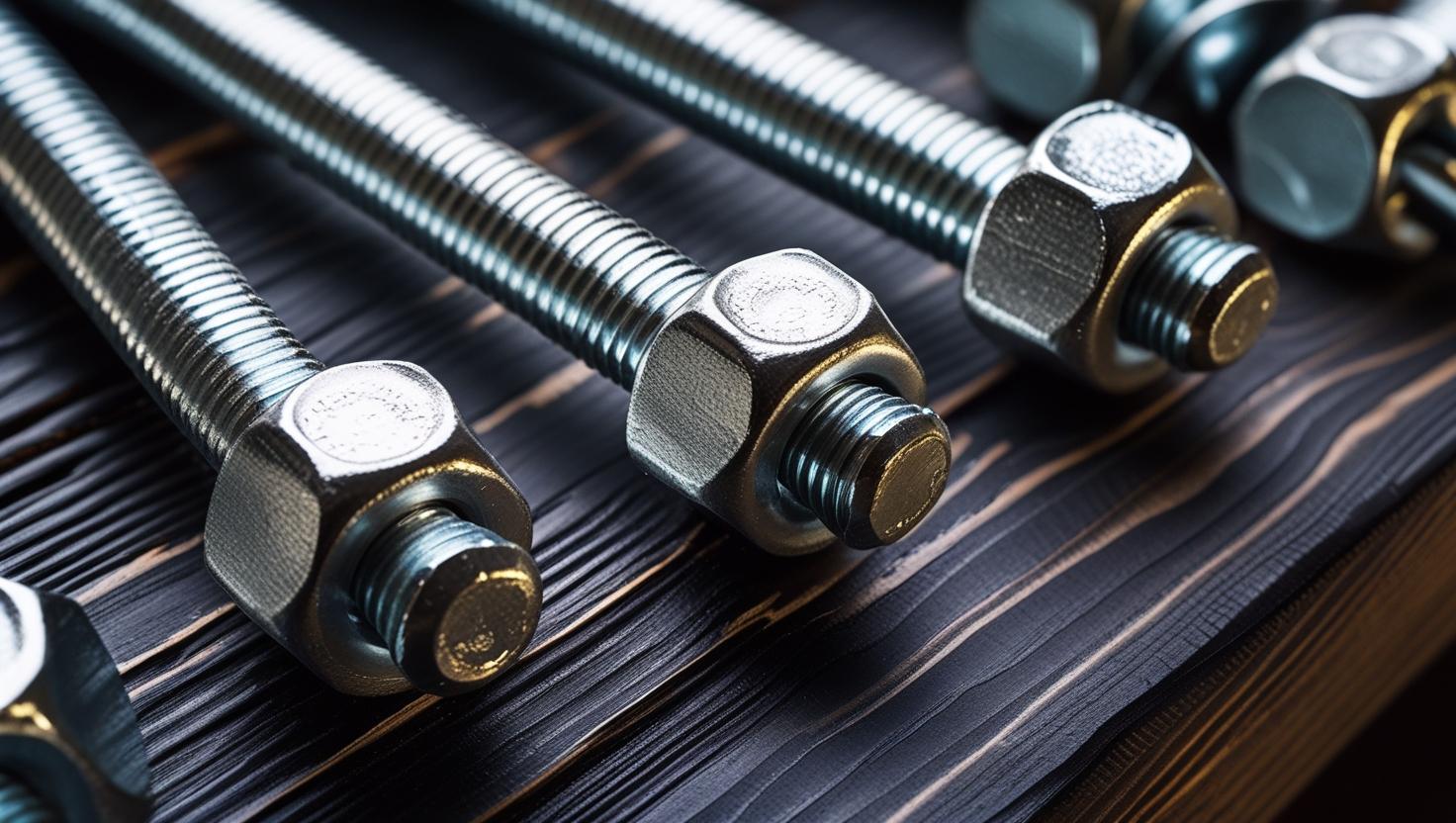
Carriage bolts—also called round head bolts or coach bolts—are a go-to fastener for wood-to-wood or wood-to-metal applications where strength and a clean surface finish are required. With their domed heads and square shoulders, they offer both aesthetics and functionality in furniture, decking, fencing, machinery, and structural woodwork.
But not all carriage bolts are created equal. Selecting the right size, finish, and supplier can mean the difference between a reliable hold and a job site callback.
Where Carriage Bolts Truly Shine
These bolts are widely used in environments where:
-
A flush, tamper-resistant head is needed on one side
-
Fastening occurs in wooden beams, metal brackets, or treated lumber
-
Vibration resistance is important (e.g., swingsets, staircases, railings)
-
Aesthetic finish matters (exposed surfaces in furniture or fencing)
Their square neck bites into the wood or metal bracket, preventing rotation while tightening the nut—eliminating the need for a second tool during installation.
Common Use Cases—from Construction to DIY Builds
-
Timber framing in pergolas, carports, and sheds
-
Fence post connection and gate mounting
-
Deck structure anchoring
-
Flat-pack furniture assembly
-
Playground equipment
-
Public benches and security bollards
In exposed outdoor builds, using zinc-plated or hot-dip galvanized carriage bolts helps prevent rust and extends service life. For indoor or decorative use, black oxide or stainless steel finishes offer a sleek appearance and corrosion resistance.
Issues You Can Avoid with the Right Carriage Bolts
Problem 1: Head spinning during installation
Why it happens: Softwood crushes under pressure or poor thread grip.
What to do: Use properly squared shanks with clean stamping and pre-drill the hole to correct size.
Problem 2: Rust forming around bolt heads
Why it happens: Improper surface coating or contact with treated wood.
What to do: Choose hot-dip galvanized or stainless steel bolts tested for outdoor use.
Problem 3: Unclear sizing during on-site assembly
Why it matters: Installers waste time searching through unmarked boxes.
What to do: Order carriage bolt kits with printed labels, sorted sizes, and optional washers/nuts pre-packed by project stage.
Technical Tips for Selecting the Right Carriage Bolt
| Application | Ideal Diameter | Suggested Finish | Notes |
|---|---|---|---|
| Outdoor fencing & gates | 3/8" or M10 | HDG or SS304 | Prevent corrosion and ensure torque hold |
| Indoor furniture | 1/4" or M6 | Zinc or black oxide | Smooth finish and rust prevention |
| Playground or public installs | 1/2" | Tamper-proof head | Use with locking nut or shear nut options |
Always match the length to beam thickness + washer + nut height to avoid thread loss or exposed shanks.
Smart Sourcing That Saves Time and Prevents Errors
Whether you're managing a multi-phase building project or assembling a home garden structure, how your bolts arrive matters just as much as the bolts themselves.
A trusted supplier should offer:
-
OEM kits with bolts, washers, and nuts pre-packed by set
-
Clear spec labeling on all cartons and inner bags
-
Rust-resistance reports, material certs, and packing list documents
-
Flexible order volumes to suit bulk resale or individual project use
At Jingle, our carriage bolt supply includes multiple finishes, head types, and metric/inch sizing. We support OEM brands, furniture makers, project contractors, and hardware wholesalers alike.
When Appearance, Grip, and Reliability Matter—Choose the Right Bolt
Carriage bolts offer clean aesthetics and uncompromised strength in one. Whether hidden inside furniture or exposed on a heavy timber gate, they do more than just hold—they present, protect, and perform.
Ready to streamline your carriage bolt sourcing?
🔗 Browse our products here
📩 Contact our team to request samples, OEM kits, or size guides