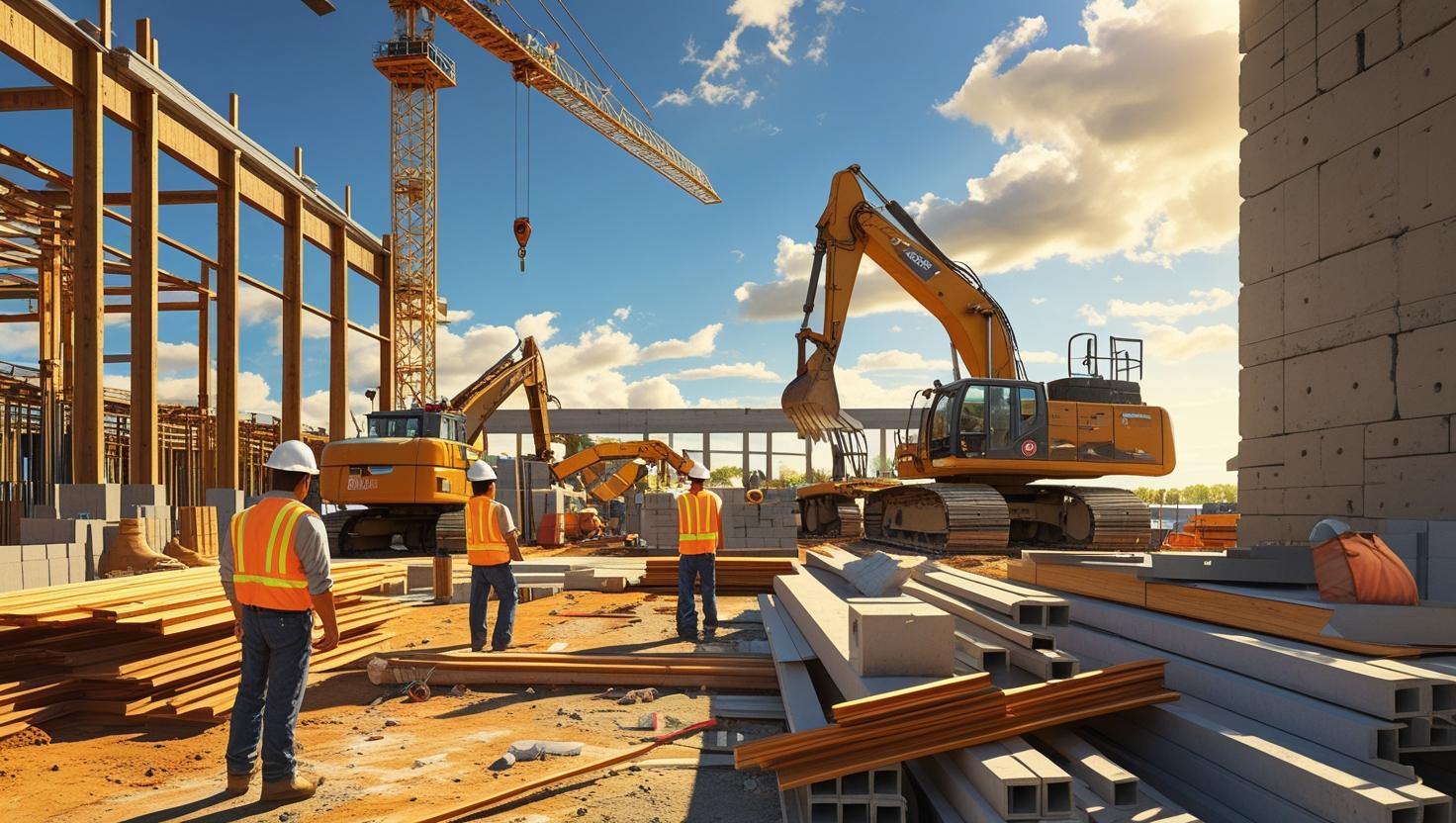
Concrete Screws That Secure Every Build: Solutions for Strong, Permanent Fixings
Concrete screws are the go-to solution for securing materials to concrete, brick, and stone, where traditional anchors or nails simply won’t provide the strength and durability needed for permanent installations. Whether you're securing fencing posts, building exterior signs, or installing heavy equipment, concrete screws offer the reliability, strength, and ease of installation critical in construction and infrastructure projects.
Why Concrete Screws Are a Must for Construction Projects
Concrete, brick, and stone are some of the toughest materials to fasten into. Traditional methods like nailing, drywall anchors, or even expansion bolts can fail over time, particularly under stress, vibration, or heavy loads. Concrete screws, however, are designed to cut into the material and create a tight, long-lasting bond, making them the most reliable fastening solution for these surfaces.
Typical Applications of Concrete Screws:
-
Heavy-duty machinery mounting: securing industrial equipment or HVAC systems
-
Fencing: attaching posts to concrete or brick surfaces
-
Outdoor signage installation: mounting to brick walls or concrete pillars
-
Electrical box and conduit mounting: fastening to masonry or stone for safety compliance
Concrete screws come in varied sizes, coatings, and material grades to meet the specific demands of each project.
Common Problems in Concrete Fastening—and How Concrete Screws Solve Them
1. Weak Holding Power of Traditional Fasteners
Fasteners like nails or expansion anchors are prone to looseness over time, especially in vibration-heavy environments like machinery installations or outdoor applications.
Solution: Concrete screws use high-tensile steel, designed to cut threads directly into the concrete, creating a more permanent hold that withstands shear stress, vibration, and environmental changes.
2. Difficulty in Correct Installation and Fit
Many traditional anchors require pre-drilled holes, and improper drilling can result in poor anchoring or damage to the surrounding material.
Solution: Concrete screws feature self-tapping threads that make installation simpler. With a pilot drill, they can be quickly driven into concrete or masonry without damaging the substrate, reducing error rates during installation.
3. Corrosion in Outdoor and High-Moisture Environments
Corrosion can quickly degrade fasteners exposed to harsh weather, resulting in weakened structures and expensive repairs.
Solution: Concrete screws come in coated varieties such as zinc-plated, hot-dip galvanized, or stainless steel. These coatings provide excellent corrosion resistance, even in outdoor, marine, or high-humidity conditions.
How Concrete Screws Are Engineered for Your Needs
Whether you’re mounting machinery, security fixtures, or structural elements, choosing the right concrete screw is essential for strength, safety, and long-term performance. At Jingle, our concrete screws are designed with:
-
High-strength steel: Ensures a durable and long-lasting hold
-
Variety of sizes: From small screws for lightweight installations to large screws for heavy-duty anchoring
-
Corrosion-resistant finishes: Options including hot-dip galvanized, ceramic coatings, and stainless steel for outdoor applications
-
Specialized designs: Options such as tapered heads, flanged heads, or hex drives depending on the application
We also provide pre-sorted screw kits, making it easy for contractors and installers to get the exact sizes and quantities they need for each project.
Choosing the Right Concrete Screw for Your Project
Here are some things to consider when choosing the right concrete screw:
| Application | Recommended Screw Type | Material | Finish |
|---|---|---|---|
| Outdoor Signage | Hex head concrete screw | Stainless steel | Hot-dip galvanized |
| Machinery Mounting | Heavy-duty concrete screw | Steel alloy | Zinc-plated |
| Fencing Posts | Concrete screw with washer | Carbon steel | Black oxide |
| Electrical Mounting | Self-tapping concrete screw | Stainless steel | Ceramic-coated |
Make sure you choose the correct screw length, diameter, and finish based on the material you’re fastening to, as well as the environmental conditions of the installation site.
Strength, Durability, and Easy Installation
Concrete screws are the ultimate solution for securing components to masonry, concrete, and stone surfaces. With the ability to resist vibration, prevent corrosion, and ensure long-lasting holds, they are an essential tool for professionals in construction, machinery manufacturing, and infrastructure development.
Jingle provides a wide range of concrete screw solutions, tailored screw kits, and custom packaging options to meet the specific needs of your project, whether it’s a one-time build or a large-scale construction project.
Explore our concrete screws
Request a quote for bulk or OEM concrete screw kits