Custom CNC Machining for Furniture: Achieving Design Flexibility Without Compromising Strength
The Need for Custom CNC Machining in Furniture
Furniture design is evolving—modern furniture is not just about aesthetics anymore; it’s about achieving design flexibility while ensuring that the furniture remains structurally sound. In today’s market, furniture manufacturers must meet increasingly complex design requests without sacrificing the strength and durability of their products.
CNC machining allows manufacturers to push the boundaries of design while ensuring high precision and structural integrity. From custom brackets to unique joints, CNC machining offers tailored solutions that support both aesthetic innovation and functional strength.
Achieving Design Flexibility Through CNC Machining
One of the primary advantages of CNC machining is its unmatched flexibility. With CNC technology, furniture designers can produce highly customized components, such as unique joints, intricate inlays, or non-standard brackets that fit precisely into the overall design. The key benefits of CNC machining for custom furniture include:
-
Precision Customization: CNC machining enables non-standard dimensions and intricate geometries, ensuring parts fit perfectly with no compromise in design.
-
Material Versatility: Whether using wood, metal, plastic, or composite materials, CNC machining allows for tailored solutions that meet both functional and aesthetic needs.
-
Seamless Integration: For custom furniture, CNC machined components integrate invisibly into designs, ensuring strength without interrupting the visual flow of the piece.
-
Consistency in Production: CNC machining ensures that every component—from a single custom order to mass production runs—is produced with identical accuracy, making it ideal for projects with multiple units.
Through CNC machining, furniture designers can maintain the integrity of their designs without compromising the strength and durability that the furniture needs for long-term use.
JINGLE’s CNC Machining Advantage for Furniture Manufacturers
At JINGLE, we specialize in custom CNC machining solutions for furniture manufacturers looking for both design flexibility and structural strength. Here’s what makes JINGLE stand out:
-
OEM Customization: We work directly with designers to create bespoke furniture components that meet specific design and functionality requirements, whether it’s custom joints, complex brackets, or unique fasteners.
-
Certified Quality: JINGLE’s processes adhere to ISO and CE standards, ensuring every component is tested for performance, durability, and safety.
-
Material Expertise: JINGLE offers a wide range of materials—stainless steel, aluminum, wood composites, and more—to ensure that each part performs optimally while maintaining the desired aesthetic.
-
Efficient Production: With multi-axis CNC machining, we produce highly detailed and precise parts in both small batches and high-volume production, ensuring quick turnaround without compromising quality.
-
Sustainable Solutions: JINGLE’s environmentally-conscious approach ensures that we offer sustainable materials and energy-efficient processes in our manufacturing.
By choosing JINGLE, furniture manufacturers gain access to high-quality custom solutions that provide the strength, durability, and design freedom needed to meet today’s evolving market demands.
Applications of CNC Machining in Modern Furniture
CNC machining plays a key role in creating custom components for modern furniture manufacturing, including:
-
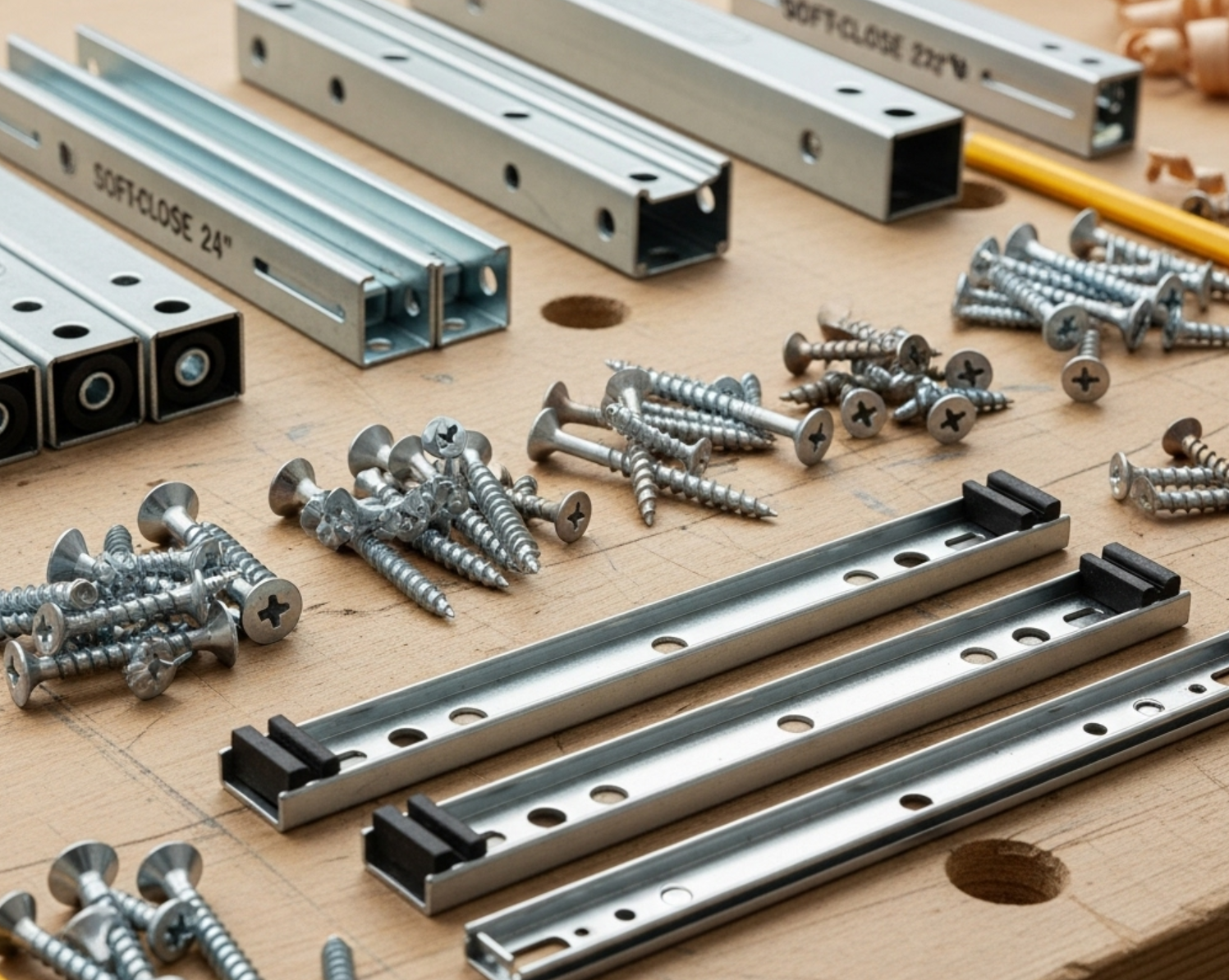
Custom Joints and Fasteners: From hidden fasteners that maintain a clean design to specialized joints that ensure strength and stability.
-
Furniture Frames: CNC machining creates precise, strong brackets, reinforced supports, and modular frame parts for sturdy, easy-to-assemble furniture.
-
Handles, Knobs, and Accessories: Custom CNC machined handles and hardware that match the design language and functionality required by modern furniture styles.
-
Decorative Components: Intricate patterns and custom-designed inlays that enhance the visual appeal of the furniture while maintaining functionality.
These examples show how CNC machining allows furniture manufacturers to produce customized, high-quality parts that blend perfectly with the overall design, ensuring strength without compromising on aesthetic appeal.
The Future of CNC Machining in Furniture Manufacturing
As furniture trends shift towards minimalism, modularity, and sustainability, CNC machining will continue to be an essential tool in delivering custom, high-performance furniture components. With advancements in materials and machining technologies, CNC will help designers push the limits of design innovation while maintaining strength, durability, and functional efficiency.
At JINGLE, we remain committed to supporting furniture manufacturers by providing custom CNC solutions that help bring creative, high-quality designs to life, efficiently and precisely.
Learn more about JINGLE’s CNC machining for furniture on the official website or explore customized furniture solutions via the contact page.