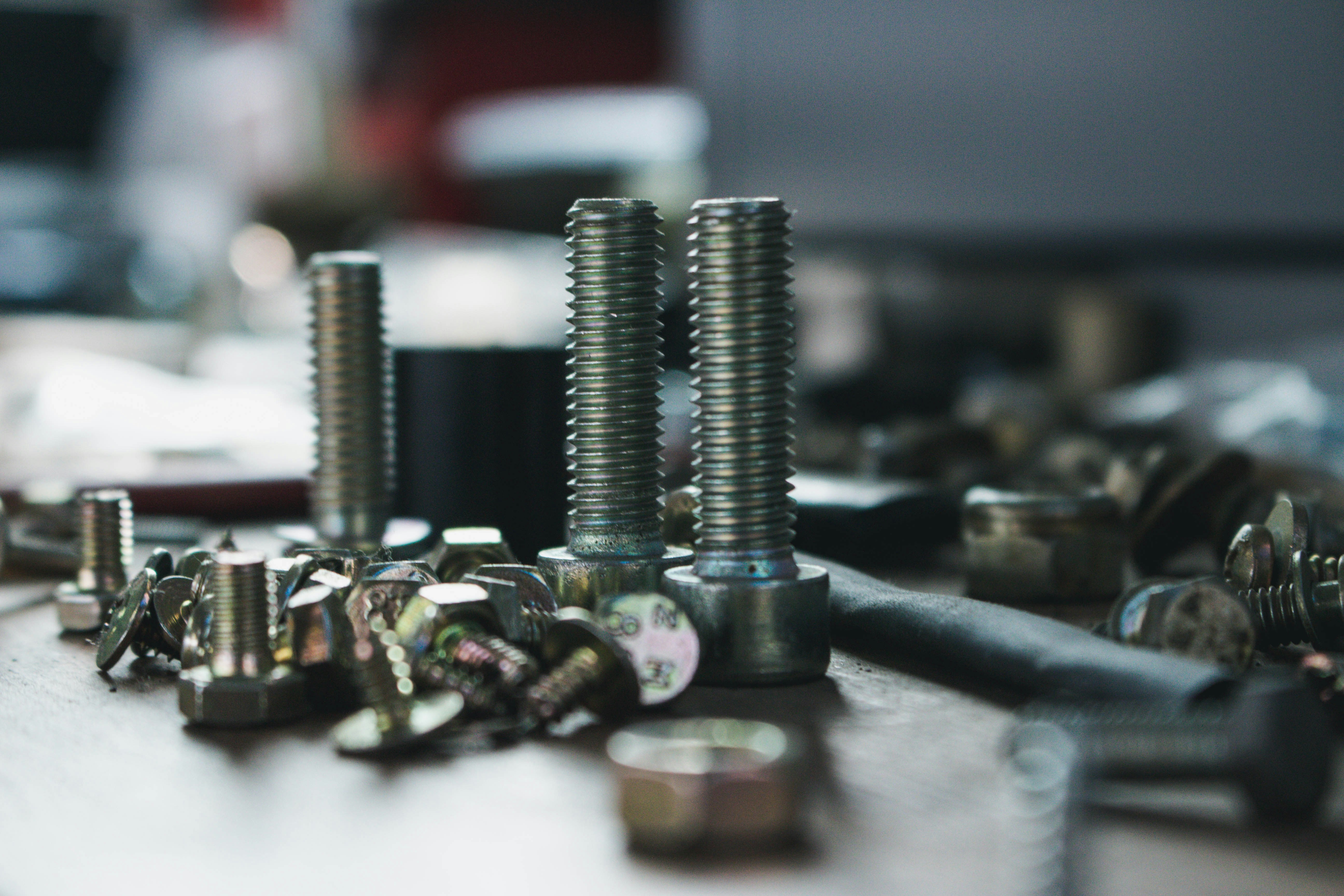

Building Stronger Foundations: Why the Right Deck Screws Are Essential for Every Project
When constructing outdoor features such as decks, fences, or garden structures, the fasteners you use are just as important as the materials themselves. Deck screws are specifically engineered to provide long-lasting strength, withstand harsh weather conditions, and resist corrosion in outdoor environments. Without the right screws, your project could face issues like loosening, rust, and structural failure.
But not all deck screws are made equal. Whether you're working with wood, composite materials, or even metal, choosing the right deck screw for your specific application ensures that your installation remains secure, safe, and durable.
Why Deck Screws Are a Game-Changer for Outdoor Projects
Deck screws are engineered with coarse threads, self-tapping tips, and specialized coatings that make them the go-to fastening solution for outdoor construction. They’re specifically designed to handle the unique stresses and exposure that come with outdoor installations.
-
Corrosion Resistance: Deck screws are coated with zinc, ceramic, or stainless steel to resist rust and degradation, even in damp conditions or under direct sunlight.
-
High Strength: With a high tensile strength, deck screws provide a stronger hold than nails, especially in high-traffic areas like decks or walkways.
-
Ease of Installation: Many deck screws feature a self-drilling tip, so you don’t have to pre-drill holes in your materials, speeding up the installation process and reducing errors.
Tailored Deck Screw Solutions for Every Outdoor Project
1. For Wooden Decking and Fencing: Enhanced Corrosion Resistance
When installing wooden decking or fences, one of the biggest concerns is moisture exposure. Without proper fasteners, your wooden structures could suffer from rust stains or loose fastenings as the screws degrade.
Solution: Opt for stainless steel deck screws or hot-dip galvanized screws. These screws resist corrosion, ensuring long-lasting durability, even in high-moisture environments like coastal areas or rain-heavy regions.
2. For Composite Decking: Smooth Finish and Strong Bond
Composite decking materials, which combine wood fibers and plastics, require specialized screws that won’t damage the surface or cause splintering. The right screws also ensure that your deck remains stable and well-secured over time.
Solution: Composite deck screws with smooth, countersunk heads are the perfect solution. These screws are designed to hold fast to composite materials without damaging the surface. Ceramic-coated or coated stainless steel screws provide extra resistance against wear and tear.
3. For Heavy-Duty Outdoor Installations: Secure, Long-Lasting Connections
When working on heavy-duty outdoor projects such as carports, gazebos, or outdoor structures, you need screws that can handle both the weight of the materials and environmental stress.
Solution: Use heavy-duty deck screws with extra-long lengths and reinforced threads. These screws offer maximum holding power for larger assemblies that are exposed to heavy wind or vibration. Opt for stainless steel or carbon steel with corrosion-resistant coatings to ensure they stand up to the test of time.
4. For Metal and Concrete Fastening: Specialized Threaded Designs
When mounting metal posts or securing structures to concrete in outdoor settings, standard wood screws won’t suffice. They require screws designed specifically for metal-to-metal or metal-to-concrete fastening, ensuring a secure hold in tough materials.
Solution: For these applications, metal deck screws or concrete screws with self-tapping threads and hex heads are ideal. These fasteners ensure a secure fit and are perfect for metal brackets or bolting down heavy structures like fences or pergolas onto solid surfaces.
Why Choose Jingle’s Deck Screws?
At Jingle, we understand the specific demands of outdoor construction, which is why we offer a wide selection of deck screws suited for various applications:
-
Corrosion-resistant finishes: Hot-dip galvanized, stainless steel, or ceramic-coated to prevent rust and ensure longevity.
-
Variety of sizes and lengths: To meet the requirements of small to large-scale outdoor projects.
-
Pre-sorted kits: Ideal for contractors and DIY enthusiasts alike, our deck screw kits come organized by size and type, saving you time during installation.
-
Strong, reliable hold: Our screws are designed to withstand outdoor elements, providing a tight, lasting grip even in challenging conditions.
Secure, Durable, and Long-Lasting Outdoor Installations
Choosing the right deck screws is essential for ensuring your outdoor projects are not only aesthetically pleasing but also strong, secure, and long-lasting. Whether you’re building a deck, installing a fence, or assembling outdoor furniture, the quality of the fasteners directly impacts the overall durability of your project.
With Jingle, you get more than just screws—you get corrosion-resistant, precision-engineered fasteners that ensure your outdoor projects stand the test of time. From wood to composite to metal, we have the perfect screw solution for your specific needs.
Explore our deck screws and fasteners
Contact us for OEM solutions or bulk quotes