Hidden Fasteners in Furniture Design: Achieving Seamless Aesthetics with CNC Machining
The Challenge of Visible Fasteners in Furniture
In furniture design, appearance is everything. Traditional fasteners—such as screws, bolts, and nuts—often detract from the clean lines and minimalist aesthetics that designers strive for. These visible fasteners can break the flow of a design, interrupting the visual harmony of the piece.
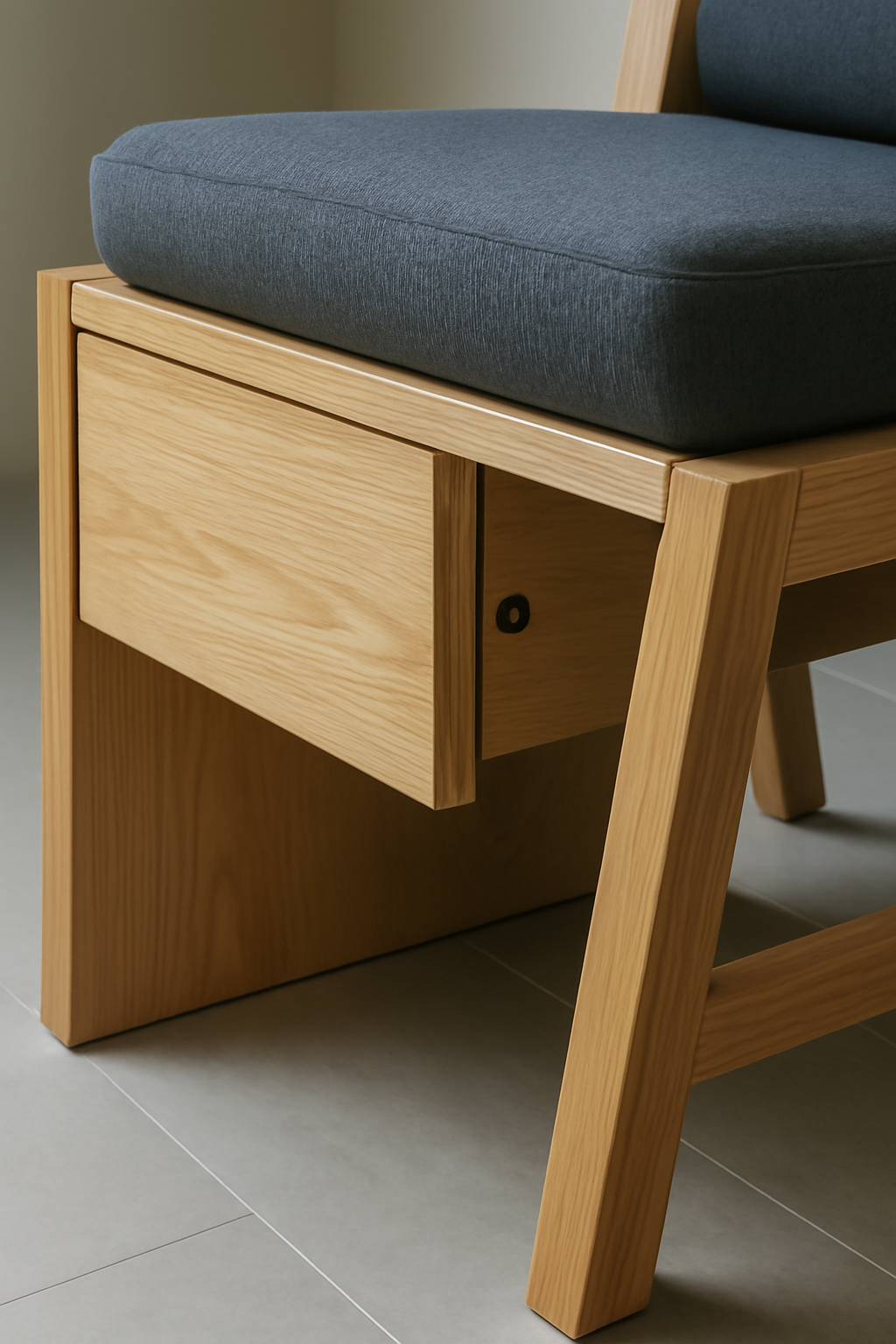
Hidden fasteners solve this problem by providing the necessary strength and stability without sacrificing the beauty of the furniture. However, the integration of these fasteners requires precision manufacturing techniques, like CNC machining, to ensure that components fit perfectly and maintain their structural integrity.
How CNC Machining Enhances the Use of Hidden Fasteners
CNC machining plays a crucial role in producing hidden fasteners for modern furniture. Through advanced multi-axis machining, CNC machines can craft components with micron-level precision, ensuring that every fastener integrates seamlessly into the design. Here’s how CNC machining improves the use of hidden fasteners in furniture:
-
Precise Geometries: CNC machining allows for custom-designed fasteners that fit specific design elements, ensuring that fasteners do not interfere with the visual lines or flow of the furniture piece.
-
Material Compatibility: CNC machines can handle a wide range of materials—from stainless steel to aluminum alloys—ensuring that hidden fasteners are durable, lightweight, and corrosion-resistant.
-
Seamless Integration: By precisely shaping fasteners to fit snugly into the furniture’s joints and structures, CNC machining makes the fasteners virtually invisible, providing a clean, smooth surface for the final product.
Through CNC machining, furniture designers and manufacturers can innovate and execute their designs without being constrained by the limitations of traditional fasteners.
JINGLE’s CNC Solutions for Hidden Fasteners in Furniture
At JINGLE, we understand the delicate balance between function and aesthetics in furniture design. Our CNC machining services provide OEM solutions for furniture manufacturers looking for custom, high-precision fasteners that are both strong and invisible. Here’s what sets us apart:
-
OEM Customization: JINGLE works closely with designers and manufacturers to customize hidden fasteners for unique furniture pieces, ensuring that each fastener is tailored to fit its designated slot with precision.
-
Certified Manufacturing: We adhere to ISO and CE certifications, ensuring that every fastener meets international safety and quality standards.
-
Batch Consistency: Our ERP-driven production system ensures that each batch of fasteners, whether small or large, meets the exact tolerances required for perfect integration into furniture.
-
Advanced Materials Expertise: We offer a range of materials to suit different design needs, from high-strength alloys for durability to lightweight metals for ease of handling.
-
Cost-Effective Solutions: By producing custom fasteners at scale, JINGLE ensures that manufacturers get the best combination of quality and cost efficiency.
The Role of Hidden Fasteners in Modern Furniture Design
Hidden fasteners are becoming increasingly important in modern furniture design, where minimalism and aesthetics are key. Some examples of how hidden fasteners are used include:
-
Modular Furniture: In modular furniture systems, hidden fasteners ensure easy assembly while maintaining sleek, uninterrupted surfaces.
-
Luxury Furniture: High-end furniture manufacturers use hidden fasteners to achieve flawless finishes, where the focus is on the quality and seamlessness of the design.
-
Eco-Friendly Furniture: In the production of sustainable and eco-friendly furniture, CNC machining can produce fasteners that fit precisely, allowing for strong, durable constructions without visible, intrusive hardware.
-
Custom Furniture: Designers working with custom pieces use hidden fasteners to maintain the visual integrity of their work, ensuring that fasteners are completely out of sight yet fully functional.
These applications show how hidden fasteners are not just about aesthetics—they are about ensuring the structural integrity, strength, and longevity of the furniture, all while maintaining a visually appealing, clean surface.
The Future of Hidden Fasteners in Furniture Design
As furniture design continues to evolve, the need for hidden fasteners will only grow. With an increased demand for seamless, minimalist designs, furniture manufacturers will need to rely on precision CNC machining to provide the fasteners that make these designs possible.
At JINGLE, we are committed to supporting this evolution by offering custom, high-precision solutions for hidden fasteners, helping designers and manufacturers create the next generation of innovative and aesthetically pleasing furniture.
Learn more about JINGLE’s CNC machining solutions for hidden fasteners on the official website or explore tailored furniture fastener solutions via the contact page.