Industrial Fasteners: Building Reliability Through Certified Manufacturing
Why Industrial Fasteners Matter in Modern Engineering
From suspension bridges to offshore wind farms and high-speed rail networks, industrial fasteners form the hidden framework that keeps modern infrastructure secure. Screws, bolts, nuts, and rivets may appear small compared to steel beams or concrete structures, yet they are the elements that decide whether a structure holds or fails.
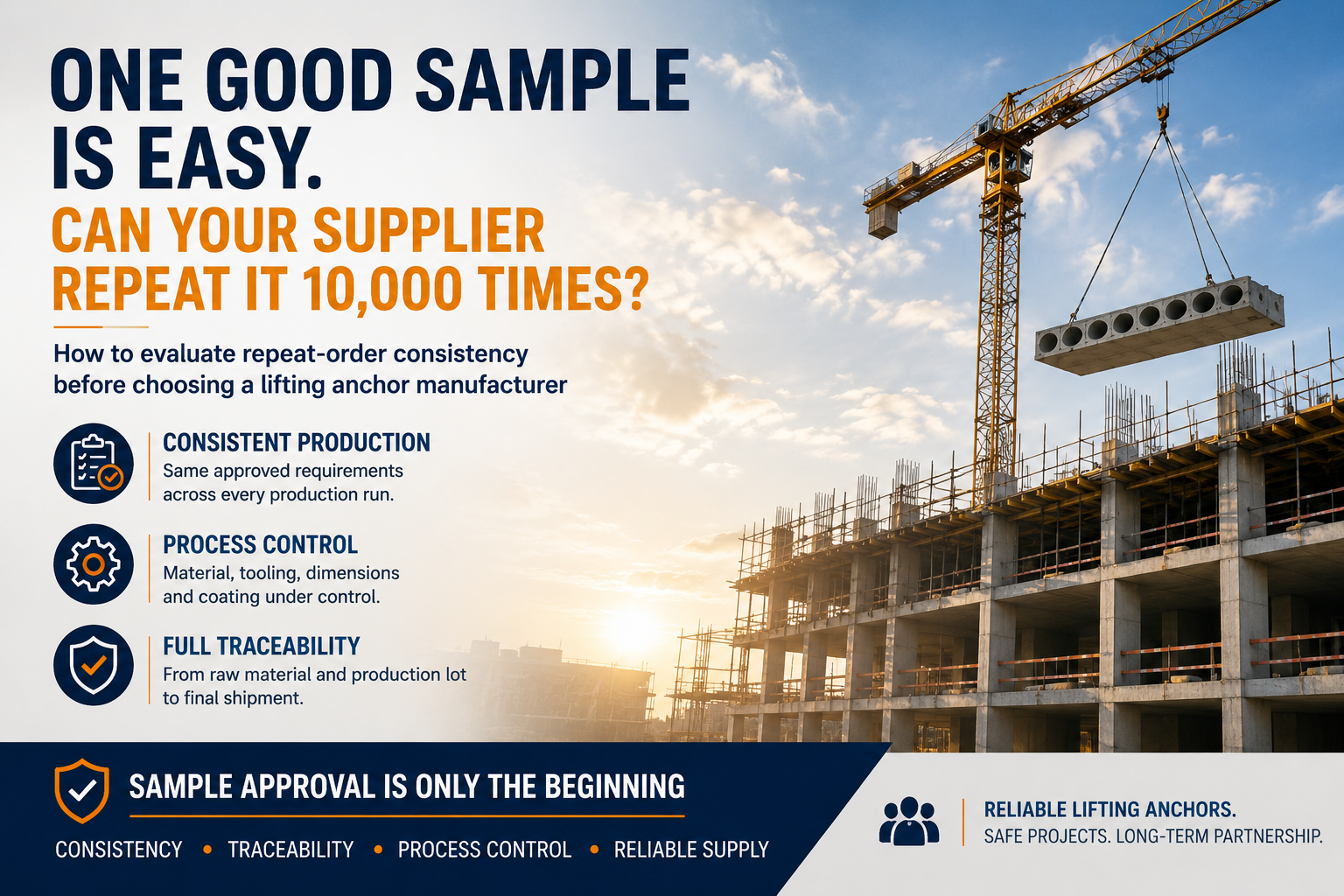
In today’s global projects, the challenge is not just designing stronger structures, but ensuring that every fastener meets the same exacting standards, batch after batch. Without consistent quality, even the most ambitious project can face long-term risks, costly delays, or outright failures.
Practical Challenges in Industrial Projects
Industrial fasteners are exposed to some of the harshest conditions and most demanding expectations:
-
Large-Scale Consistency: A bridge or stadium requires hundreds of thousands of fasteners, each with identical tensile strength and durability. Variance in even 1% of units can compromise an entire structure.
-
Environmental Durability: Offshore energy projects fight salt corrosion, desert solar installations combat heat, and cold regions test resistance to brittle fractures.
-
Fatigue Resistance: In railways and heavy machinery, fasteners face millions of vibration cycles across decades of operation.
-
Compliance Complexity: Incomplete certification or lack of traceability can delay approval processes and expose projects to liability.
These challenges highlight that fasteners are not just hardware items—they are precision-engineered components that determine safety and reliability in engineering systems.
Standards Defining Industrial Fasteners
The industrial fastener sector is guided by international frameworks that ensure safety and performance:
-
ISO: Establishes manufacturing quality systems for global consistency.
-
ASTM International: Defines material and performance testing benchmarks.
-
Industrial Fasteners Institute (IFI): Provides technical guidelines and best practices across sectors.
Compliance with these standards is more than a formality—it ensures that fasteners can be trusted in critical applications, from urban transport systems to national infrastructure.
JINGLE’s Role as a Leading Industrial Fasteners Manufacturer
As a dedicated industrial fasteners manufacturer, JINGLE provides solutions that address the scale, complexity, and compliance needs of global industries:
-
High-Capacity Production: 10,000+ tons annually, meeting the demands of mega projects.
-
Certified Quality: ISO and CE certifications, supported by in-house tensile, hardness, and corrosion testing.
-
Material Expertise: From alloy steels to stainless and titanium, suitable for diverse climates and industries.
-
OEM Customization: Tailored bolts, nuts, screws, and rivets designed for specific applications and standards.
-
Factory-Direct Supply: Streamlined production and ERP-driven logistics ensure consistency and timely delivery worldwide.
By combining scale with precision, JINGLE ensures that every shipment of fasteners delivers both performance and traceability, making it a trusted partner for industrial distributors, wholesalers, and project contractors.
Industry Applications Across Sectors
Industrial fasteners produced by certified manufacturers like JINGLE play critical roles in:
-
Infrastructure: Bridges, tunnels, and stadiums where long-term safety is paramount.
-
Renewable Energy: Wind and solar farms requiring corrosion-resistant coatings and fatigue-tested designs.
-
Automotive & Transport: Bolts and nuts for suspension systems, engines, and safety-critical components.
-
Heavy Machinery: Mining, construction, and industrial equipment subjected to shock and vibration.
-
Construction: Skyscrapers and urban developments demanding consistent supply and certified quality.
Each of these sectors faces unique stressors, yet the requirement for reliable fasteners remains universal.
Looking Ahead: The Evolution of Industrial Fasteners
The role of industrial fasteners continues to evolve alongside global engineering trends:
-
Eco-Friendly Manufacturing: Phasing out hazardous coatings in favor of sustainable alternatives.
-
Lightweight Alloys: Increasing use of titanium and composites to reduce structural load.
-
Digital Traceability: QR-coded batches linking every fastener to test results and certifications.
-
Smart Quality Control: IoT-enabled monitoring to ensure batch consistency in real time.
These innovations are not distant concepts—they are shaping the way manufacturers and project teams collaborate today.
Why Certified Manufacturing Defines Reliability
Industrial fasteners are the silent backbone of global engineering. They secure megastructures, resist decades of stress, and ensure the safety of people and assets worldwide. But their reliability depends on one factor: certified manufacturing.
By combining factory capacity, international compliance, OEM customization, and traceable logistics, JINGLE delivers fasteners engineered for the world’s most demanding projects.
Discover how JINGLE supports global industries with certified industrial fasteners: Contact JINGLE.