Fastening Made Easy: How the Right Rivet Kit Speeds Up Installation and Improves Reliability
Rivets have long been valued for creating strong, permanent joints without welding, adhesives, or tapping threads. For both professionals and hobbyists, a rivet kit or nut rivet kit organizes the right sizes and types into one ready-to-use package—reducing time spent sourcing parts and ensuring consistent quality.
Understanding the Two Main Types
Nut Rivet Kit
A nut rivet kit contains threaded inserts (also called rivet nuts) that allow bolts or machine screws to be fastened into thin materials. They are common in:
-
Sheet metal fabrication (HVAC ducts, automotive panels)
-
Furniture assembly (thin tubing, aluminum frames)
-
Electronics enclosures (mounting boards, brackets)
Advantages
-
Creates a strong, reusable thread in thin material
-
Allows disassembly and reassembly without damaging the base material
-
Works with multiple materials: aluminum, steel, stainless steel
Standard Rivet Kit
A standard rivet kit includes blind rivets (pop rivets) or solid rivets for permanent fastening. Popular in:
-
Metal roofing and cladding
-
Appliance manufacturing
-
Boat and trailer assembly
-
DIY repairs for sheet metal, gutters, and signage
Advantages
-
Quick installation from one side of the workpiece
-
Strong vibration resistance
-
Lightweight yet durable fastening
Common Pain Points in Rivet Kit Sourcing
-
Missing sizes during installation
→ Solution: Kits should include an assortment of diameters and lengths, clearly labeled for quick selection. -
Poor-quality rivets causing head breaks or loose fit
→ Solution: Choose rivets with consistent shank diameter, high shear strength, and verified material specs. -
Unorganized packaging slowing down work
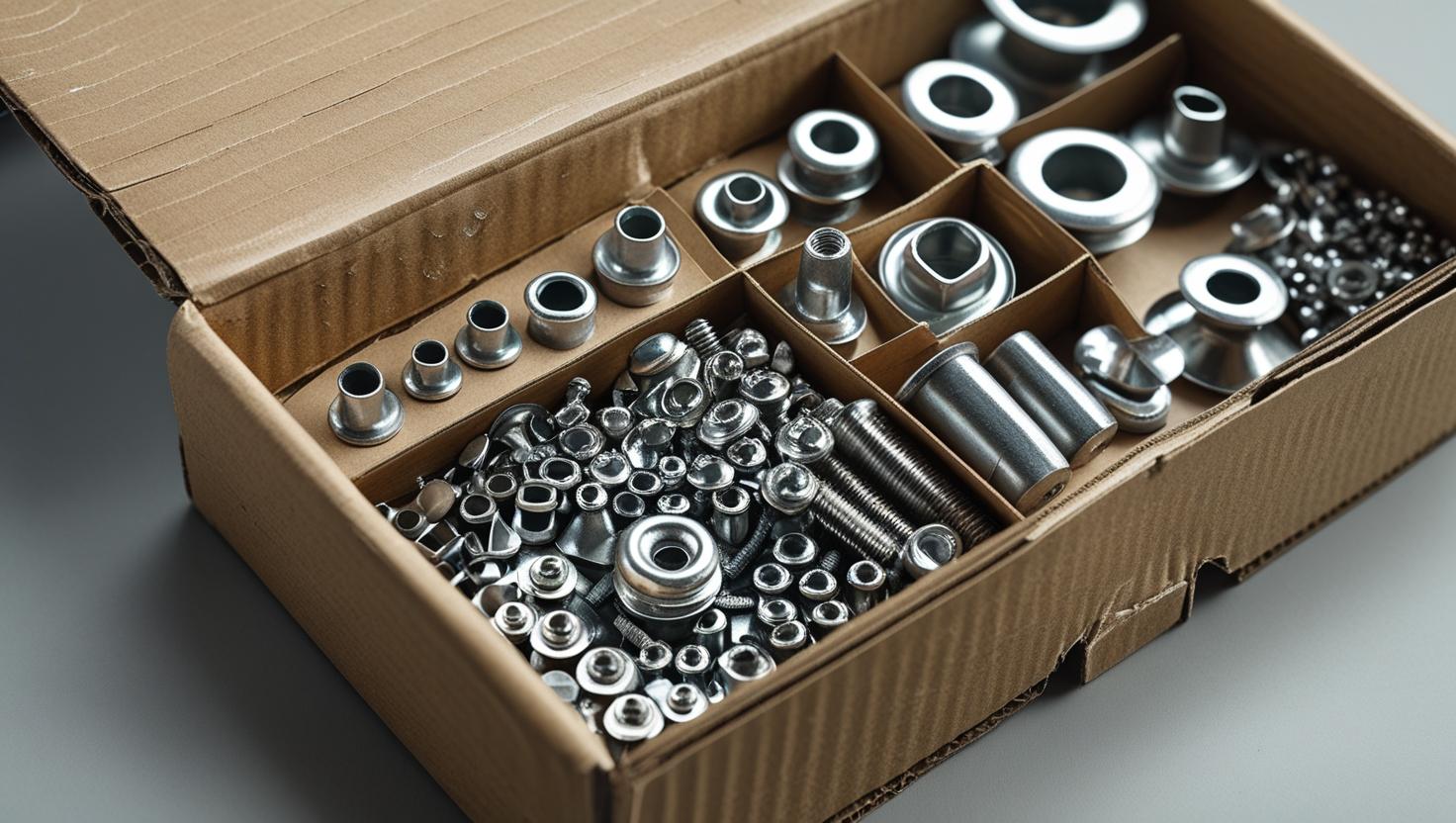
→ Solution: Request OEM kits with compartmented boxes, size labels, and optional barcode tracking.
How Organized Rivet Kits Boost Efficiency
For large-scale projects—like installing hundreds of panels in a day—having a pre-sorted kit prevents time wasted hunting for the right size. In DIY settings, an assortment box ensures you have the right rivet or rivet nut without another trip to the hardware store.
Jingle rivet kits are designed for both settings, with:
-
Multiple size assortments in one compact case
-
Clear markings for size and material
-
Optional inclusion of matching tools (rivet gun or mandrels)
-
Custom packaging for export or resale
Selecting the Right Kit for Your Application
| Project Type | Recommended Kit | Material |
|---|---|---|
| Automotive body repair | Nut rivet kit | Steel or stainless steel inserts |
| Outdoor sign mounting | Blind rivet kit | Aluminum or stainless steel rivets |
| Furniture frame assembly | Nut rivet kit | Aluminum or zinc-plated steel inserts |
| Metal roofing | Blind rivet kit | Aluminum rivets with sealing washers |
The Kit You Choose Shapes the Build You Get
Whether you’re outfitting a factory floor or stocking your home workshop, the right rivet kit saves time, reduces errors, and improves fastening reliability.
-
Nut rivet kits give you strong, reusable threads in thin materials.
-
Standard rivet kits provide permanent fastening where strength and speed are priorities.
With Jingle, you can expect quality-tested rivets, organized assortments, and export-ready packaging—whether for one project or a full OEM supply program.
Explore our rivet solutions
Contact us for custom kit options